The Complete Bodybuilding Guide

Know Your Body,
Train Every Move Right

This Bodybuilding Guide covers all seven major regions of the body β€” from chest to legs, back to glutes β€” one by one, explaining the muscles each region works and dozens of exercises specific to it with photos and detailed descriptions. Whether you just joined a gym or have been training for years, you'll find the correct form for every exercise, the mistakes people make most often, and the region-specific things to watch out for. Our goal isn't just to answer "which exercise should I do," but also "why and how should I do it."

Ground Rules

What Should You Watch For While Training?

Whichever muscle group you're working, the principles below form the foundation of every workout. Each one looks simple on its own, but applied together they directly determine both how fast you see results and whether you can keep training long-term without getting injured. Read through each heading below and compare it against your own routine.

πŸ”₯

Warm-Up and Cool-Down

Before you move to weights, prepare your muscles, joints, and nervous system with 5-10 minutes of light cardio and dynamic stretching. Suddenly loading a cold muscle to its maximum is one of the most common causes of muscle-fiber tears. Cooling down with static stretches at the end of a session speeds up recovery, brings blood flow back to normal, and helps you wake up less stiff the next day.
🎯

Correct Form and Technique

Technique comes before weight. Load lifted with bad form neither works the target muscle enough nor spares joints like the spine, knees, and shoulders. If you're not sure, check yourself in a mirror, film yourself with your phone, or get feedback from a coach; trying to make a movement "heavier" instead of "correct" sets you back in the long run.

πŸ“ˆ

Progressive Overload

Increase weight, reps, or sets gradually over weeks, not all at once. Sudden, excessive loading paves the way for overtraining syndrome and injuries. Small, consistent increases (say, 2-5% a week) produce far bigger and more sustainable progress over the long run.

πŸ’§

Nutrition and Hydration

Get enough protein for muscle repair and enough carbohydrate for energy. Don't neglect water intake before, during, and after training; losing even 2% of your body weight in fluid measurably lowers strength and endurance performance. Think of nutrition as the "invisible half" of training.

😴

Rest and Recovery

Muscles grow during rest, not during the workout itself. Give the same muscle group at least 24-48 hours of recovery before hitting it again on consecutive days. Sleep is when growth-hormone release peaks; training without a regular 7-9 hours of quality sleep seriously undercuts your results.

⚠️

Tell Pain Apart From Fatigue

Muscle fatigue and the mild soreness you feel the next day (DOMS) are normal, but a sharp, stabbing pain in a joint is a warning sign. Stop the movement immediately if that happens; pushing through pain and "toughing it out" can turn a small problem into a lasting injury that sidelines you for weeks.

πŸ₯Ώ

Proper Equipment and Environment

Wear shoes suited to the movement, use wrist/knee support if needed, and especially when working with free weights, choose a space with safety equipment (squat rack, spotter, safety pins). Attempting to lift heavy on a slippery or unstable surface puts even the most careful athlete at risk of injury.

🩺

Get a Health Check

If you're just starting out, have been inactive for a long time, or have a known health condition (heart, joints, blood pressure, etc.), see a doctor before beginning a training program. This step matters even more for people over 40 and those coming from a previously sedentary lifestyle.

🧭

Consistency and Patience

Visible muscle growth usually takes months, not weeks, and fluctuations in motivation along the way are completely normal. A mediocre program followed consistently beats a perfect program followed inconsistently. Focusing on building a long-term habit instead of expecting short-term results is the single biggest mindset shift in a fitness journey.

The information on this page is for general awareness only and does not replace professional medical advice or a personalized training/nutrition program.

Body Regions

A Training Guide by Muscle Group

Under each muscle group you'll first find the anatomy and importance of that region, then five core exercises that train it β€” each with its own photo and detailed description. At the bottom of each section is the single most critical thing to watch for in that muscle group.

An athlete performing a bench press for chest training
01 Β· Upper Body

Chest

Muscles worked: Pectoralis major/minor, front deltoid, triceps (supporting)

The chest muscles (pectoralis major and minor) are one of the most visible muscle groups in the upper body and form the foundation of pushing movements β€” the bench press, push-ups, even everyday actions like pushing open a door. A strong chest also contributes to shoulder-joint stability and directly affects your upper-body pushing capacity. Training this region with both big compound movements and isolation exercises develops the muscle's thickness and shape in a balanced way.
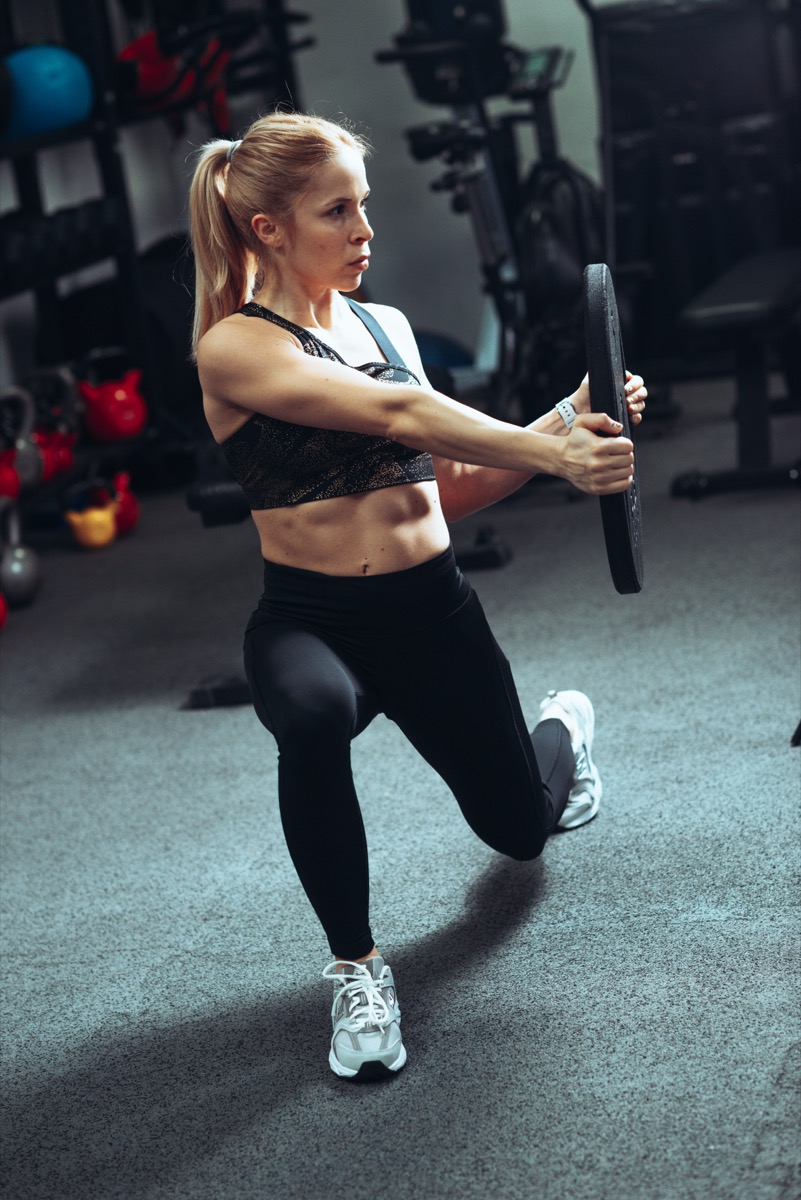
An athlete performing the bench press

Bench Press

A core compound movement done lying on your back on a bench, lowering the bar to chest level and pressing it back up. Lowering the weight without flaring your elbows too far from your torso, while keeping your shoulder blades pinned to the bench, reduces the risk of shoulder injury. Using a controlled tempo instead of bouncing the bar quickly off your chest both recruits more muscle fiber and protects your joints. Beginners should always have a spotter while working out their technique with light weight.
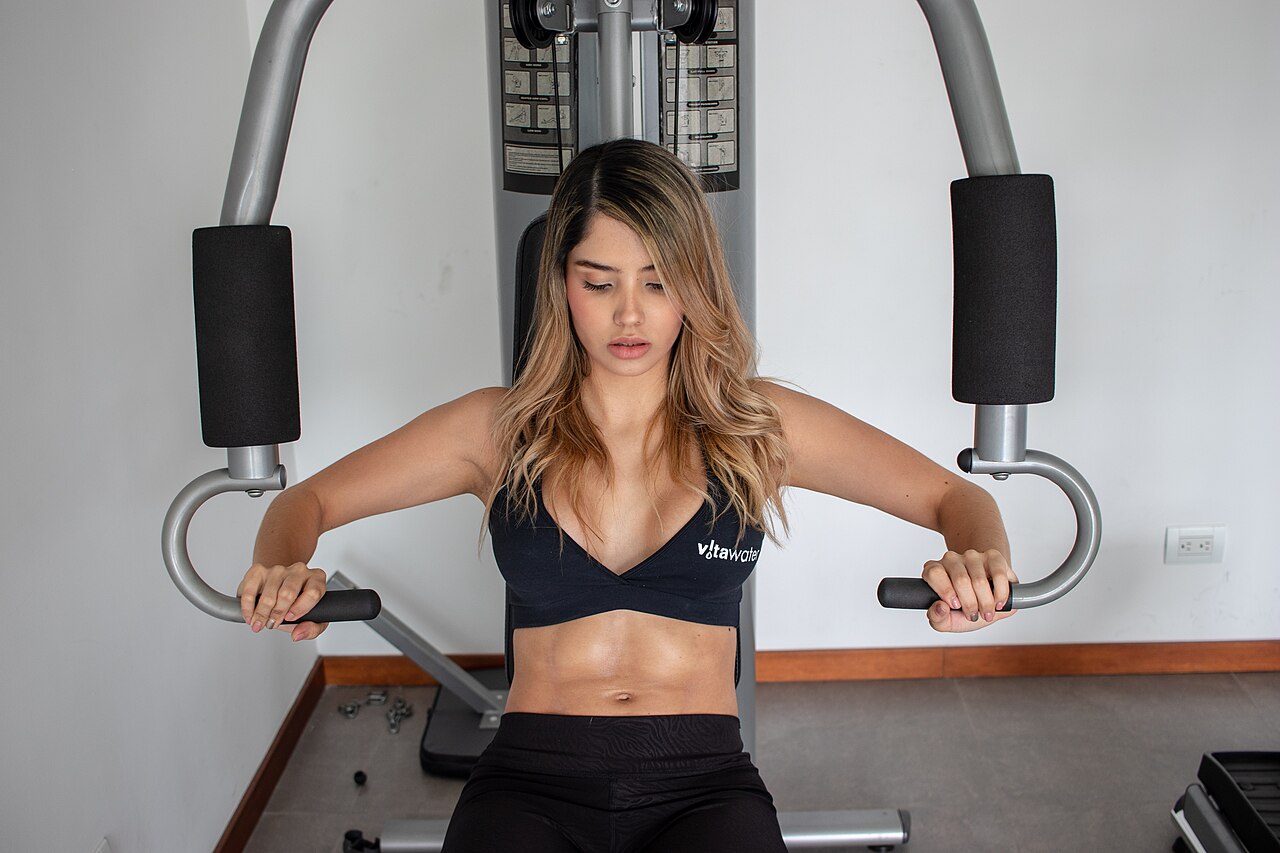
Chest press machine exercise

Chest Press (Machine)

Done seated on a chest press machine, this move is a more controlled version of the bench press that follows a fixed path; it's a safe alternative especially while you're still learning technique or if you have a back or shoulder issue. Keeping your back flat against the seat and your shoulder blades locked in place lets the load land correctly on your chest. Finishing with a slight bend in the elbows instead of locking them out fully reduces the sudden stress placed on the elbow joint.

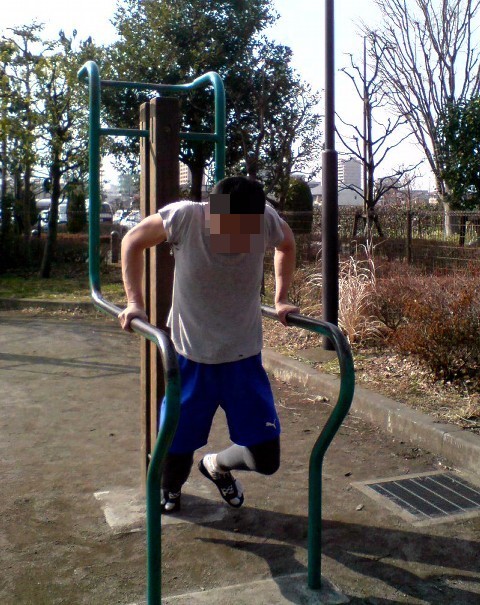
Dips on parallel bars

Dips (Parallel Bar)

Moving your body up and down between parallel bars works the lower chest together with the triceps. Leaning your torso slightly forward increases the load on the chest, while staying upright shifts it toward the triceps. Lowering too deep β€” especially if you lack the flexibility for it β€” can damage the shoulder joint, so keep the range of motion within what your body comfortably allows.

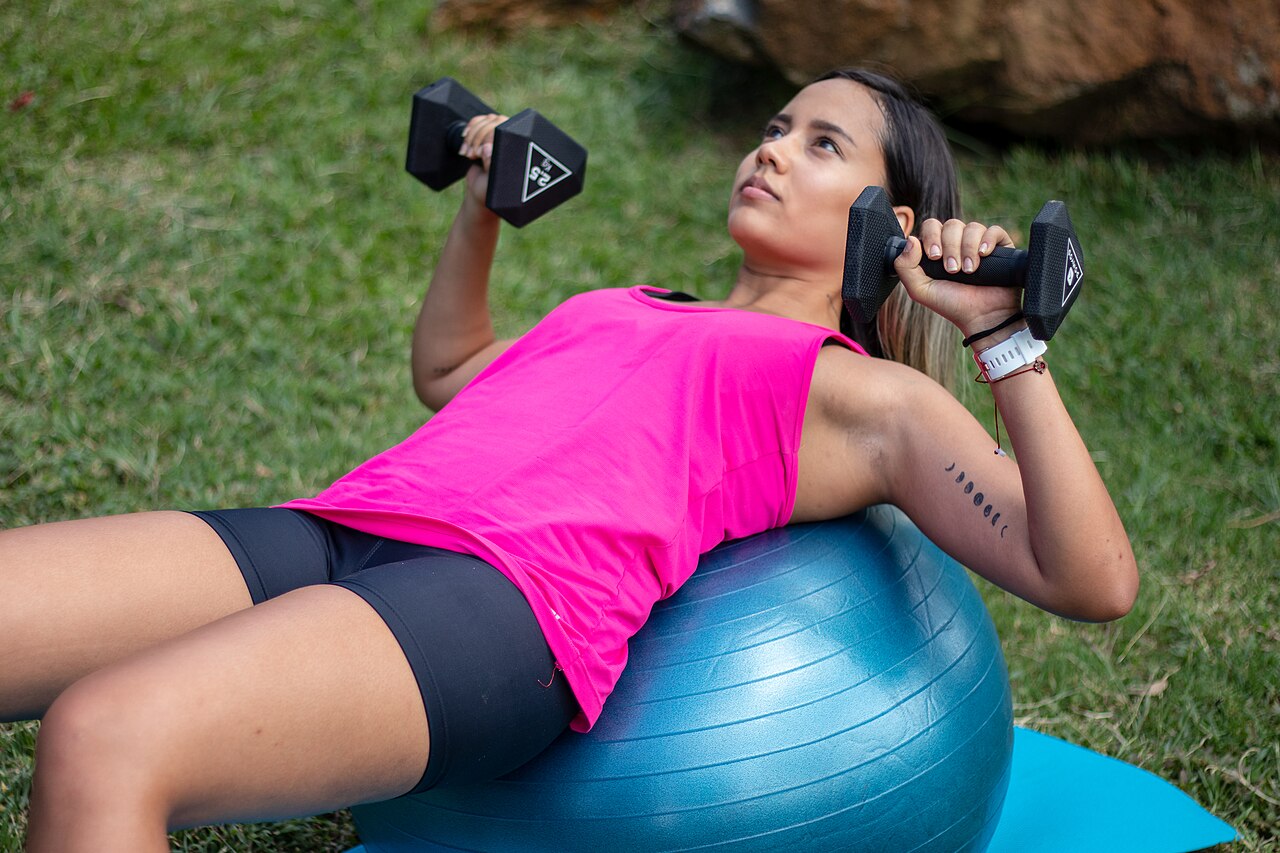
Dumbbell chest press on a stability ball

Dumbbell Chest Press (Stability Ball)

Done with your back resting on a stability ball, this dumbbell chest press works the chest muscles and the core at the same time; the ball adds an extra challenge for torso stabilization. Keeping the bridge position without letting your hips drop increases core activation. As you lower the dumbbells, keeping your shoulders at a comfortable angle over the ball protects the shoulder joint.

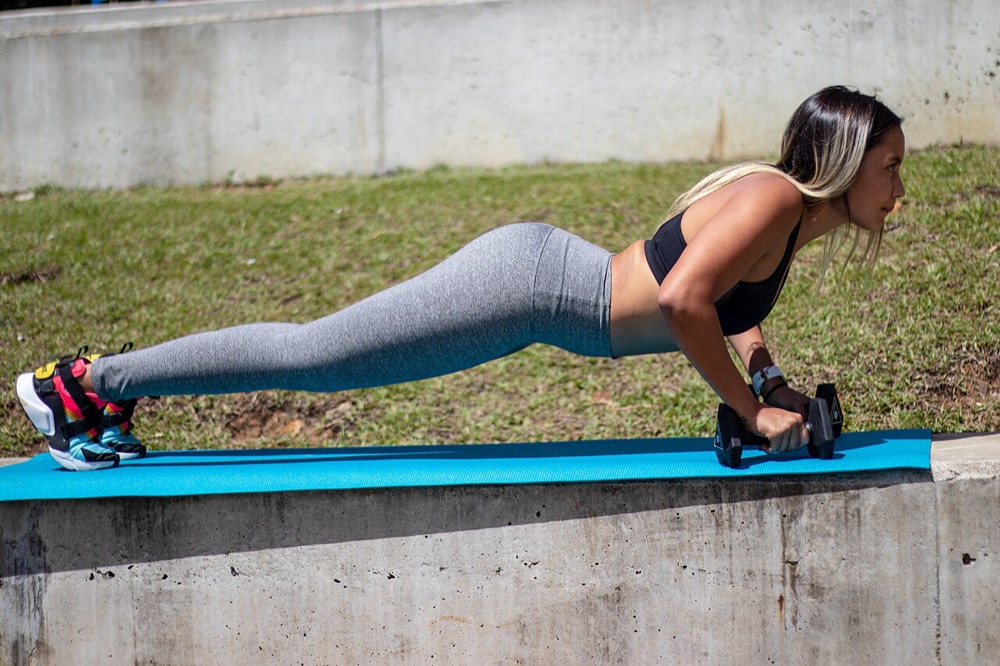
Push-up exercise

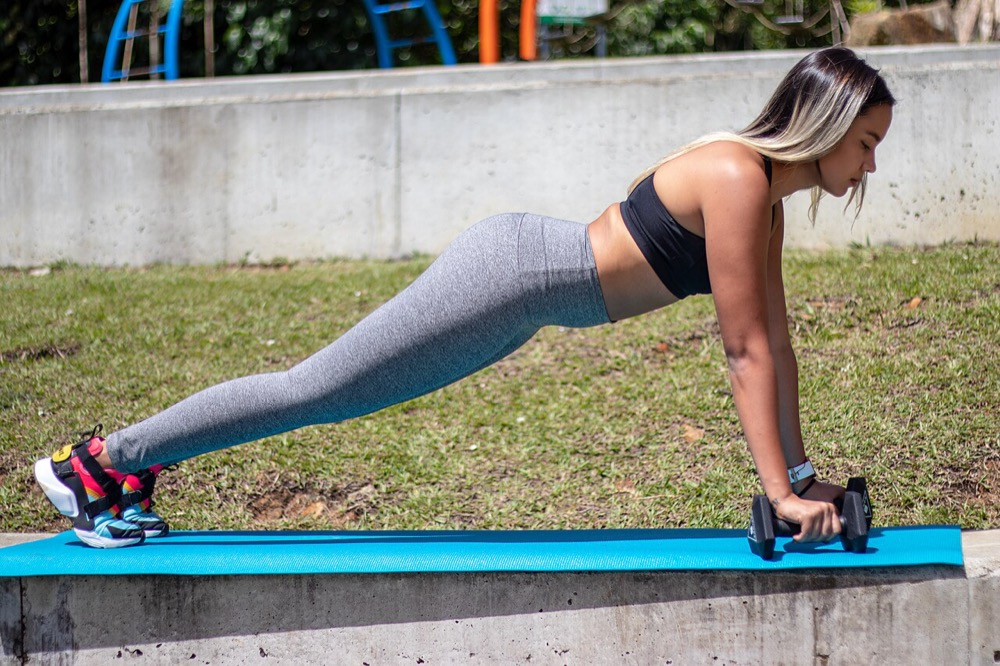
Push-Up

This classic bodyweight movement, which needs no equipment, works the chest, shoulders, and triceps together. Keeping your body in a straight line from head to heel β€” neither hiking your hips up nor letting them sag β€” is the key to proper form. A hand placement slightly wider than your shoulders emphasizes the chest more, while a narrower grip shifts the load toward the triceps.

Watch for: Keep your shoulders back and down, and don't bounce the bar uncontrolled off your chest; keep the range of motion at a level that feels comfortable to reduce the load on the shoulder joint.

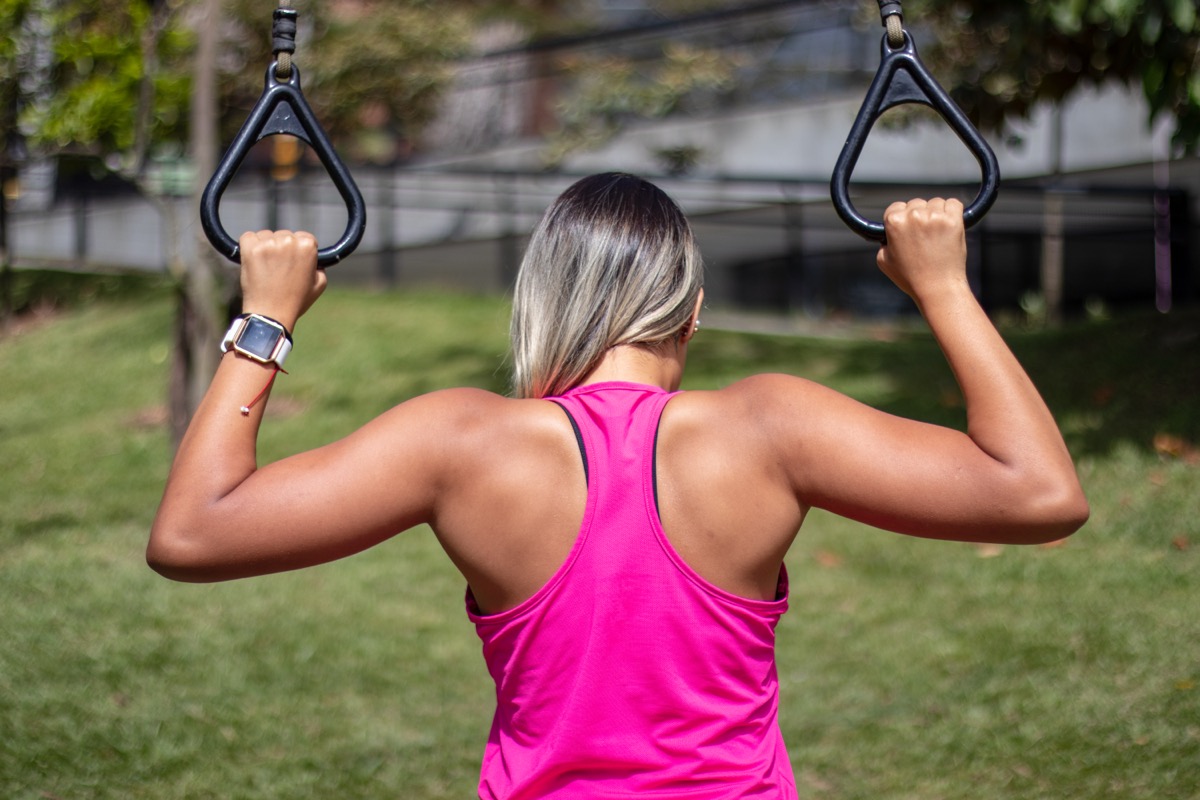
A ring-pull exercise working the back muscles
02 Β· Upper Body

Back

Muscles worked: Latissimus dorsi, trapezius, rhomboids, lower back (erector spinae)

The back muscles β€” latissimus dorsi, trapezius, rhomboids, and the lower-back muscles β€” form one of the largest and most complex muscle groups in the body. Besides pulling movements, this region also plays a key role in maintaining posture. Since long hours sitting at a desk can weaken the back muscles and shorten the chest muscles, it's important to give back training as much attention as chest work in a balanced program β€” if not a bit more. A strong back both creates that aesthetic V-shape and supports lower-back health, making everyday lifting movements safer.

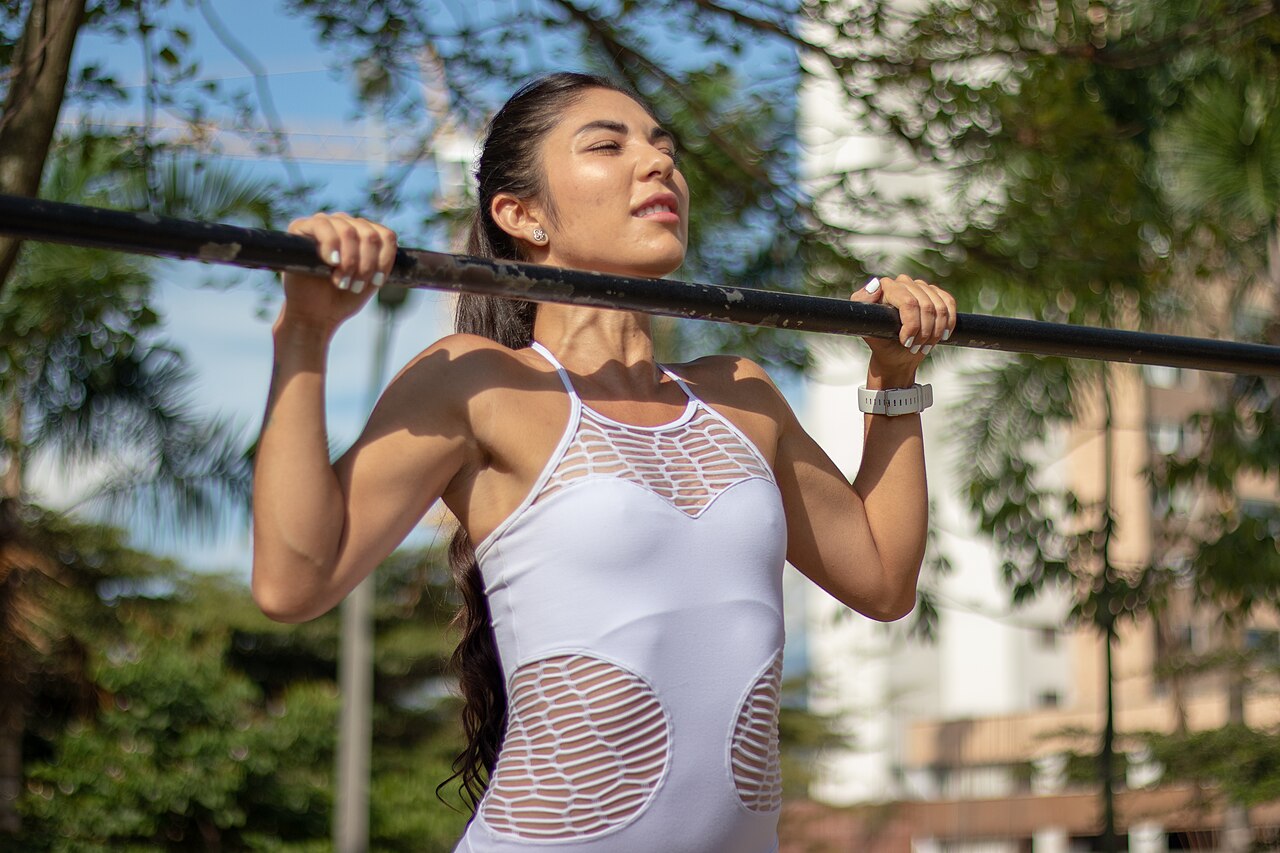
Pull-up exercise

Pull-Up

Pulling your body up from a dead hang on a bar until your chin clears bar level directly targets the latissimus dorsi. Starting the movement by pulling your shoulder blades down and back β€” rather than shrugging your shoulders up toward your ears β€” lets the lats work more effectively. For those who can't yet do a full rep, resistance-band assistance or an assisted pull-up machine is a good starting point.

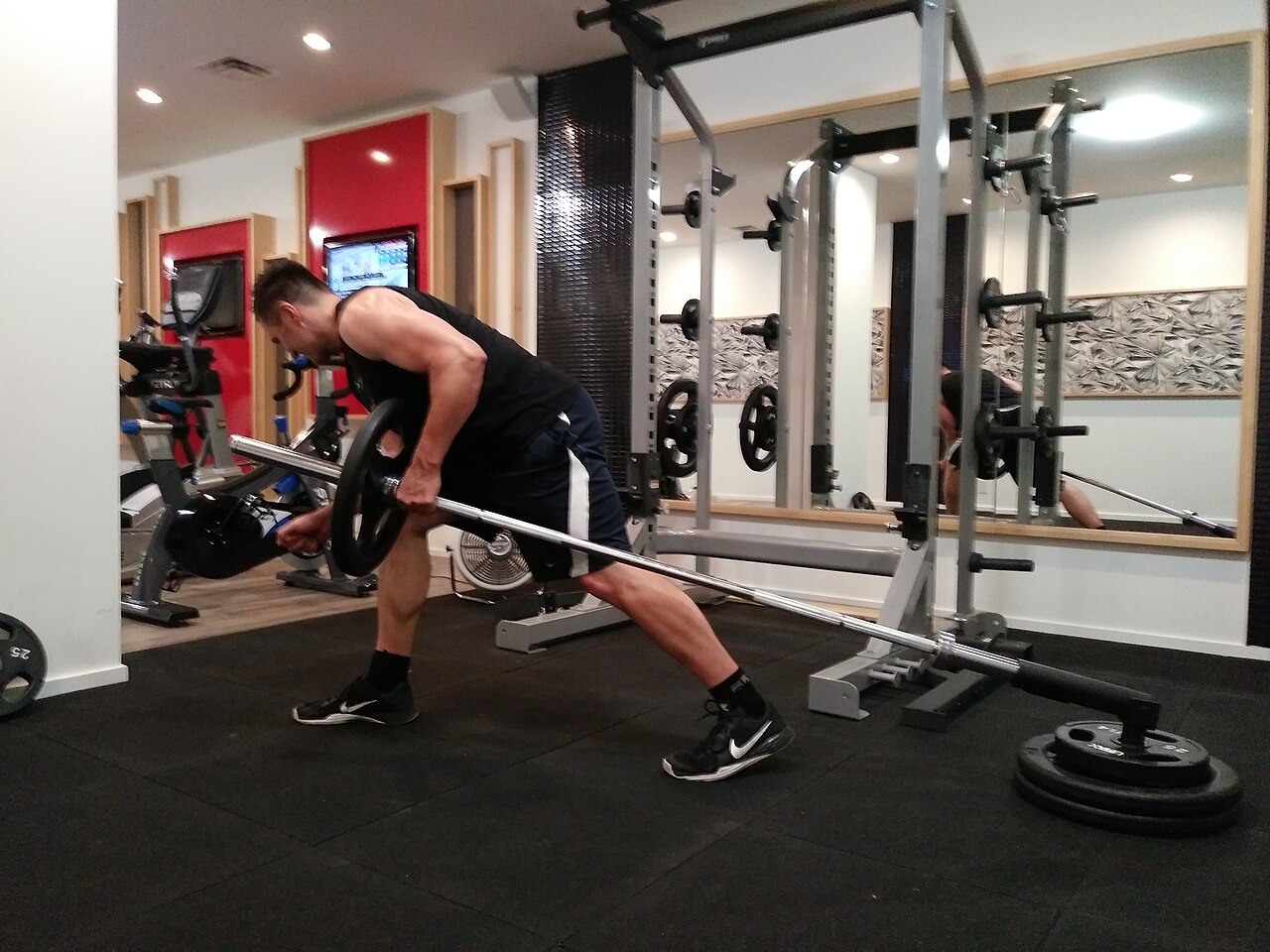
Landmine bent-over row exercise

Landmine Row

Done with one end of the bar anchored in a landmine attachment or a corner, this rowing movement is a safer alternative to the classic bent-over row that reduces the load on your lower back. Keeping your torso hinged forward and your lower back in a neutral position targets the back while protecting the lower spine. Pulling the bar toward your lower abdomen rather than your chest engages the lats more effectively.

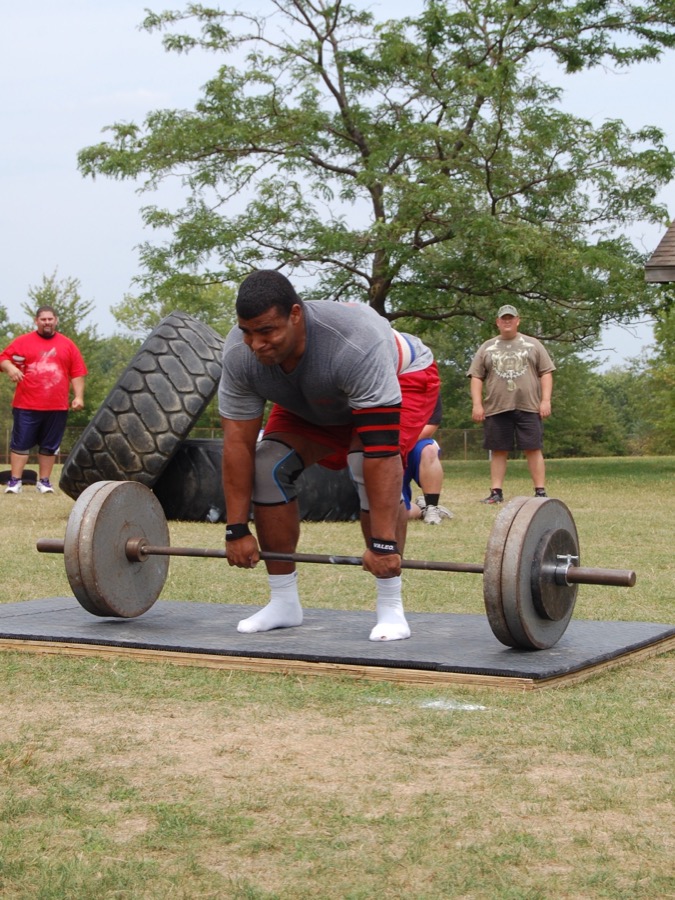
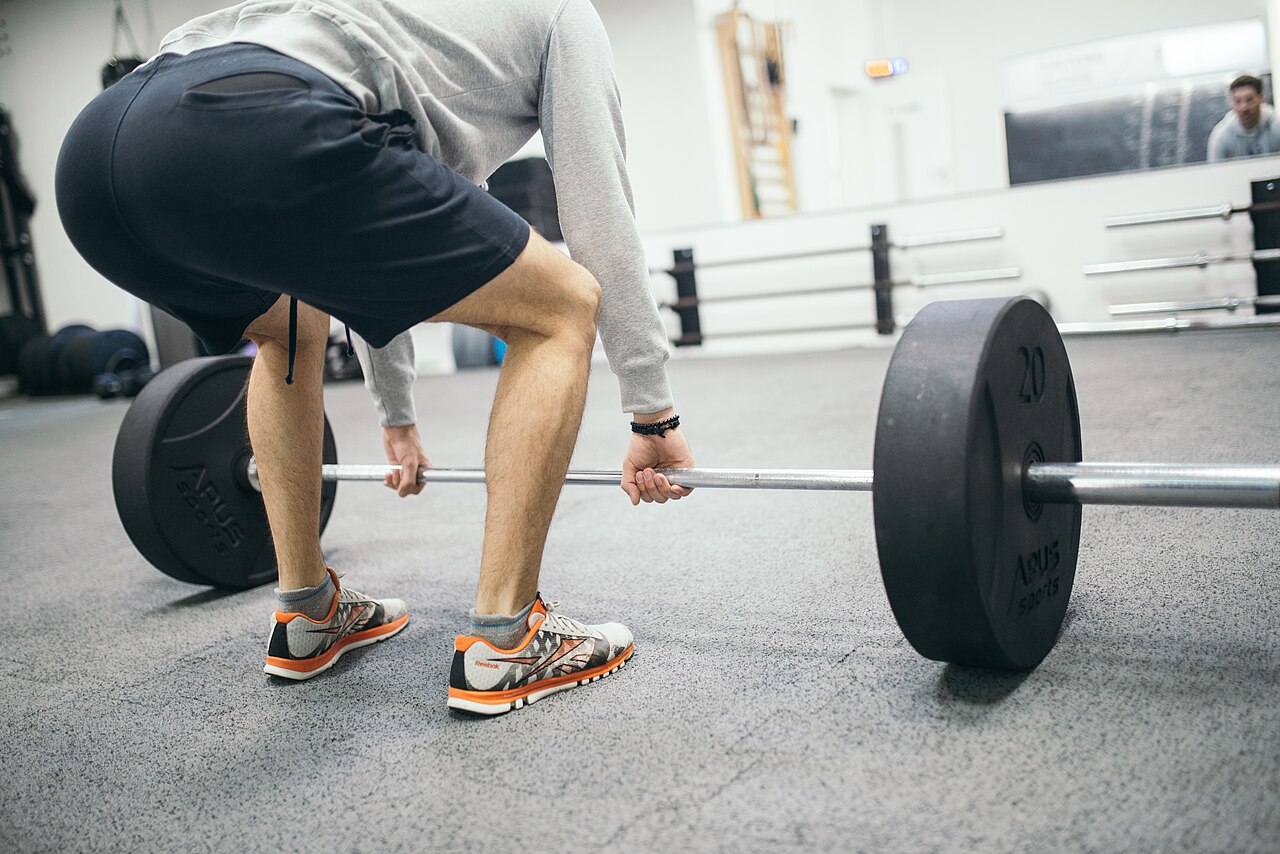
Deadlift exercise

Deadlift

Lifting a bar off the floor using your hips and knees, the deadlift is one of the most efficient compound movements, working the back, glutes, and legs all at once. Keeping your lower back in a neutral position throughout the lift is essential; this is probably the most frequently broken rule in all of fitness, and the one that causes the most injuries. Keeping the bar close to your body simplifies the lifting mechanics and shortens the lever arm acting on your lower back.

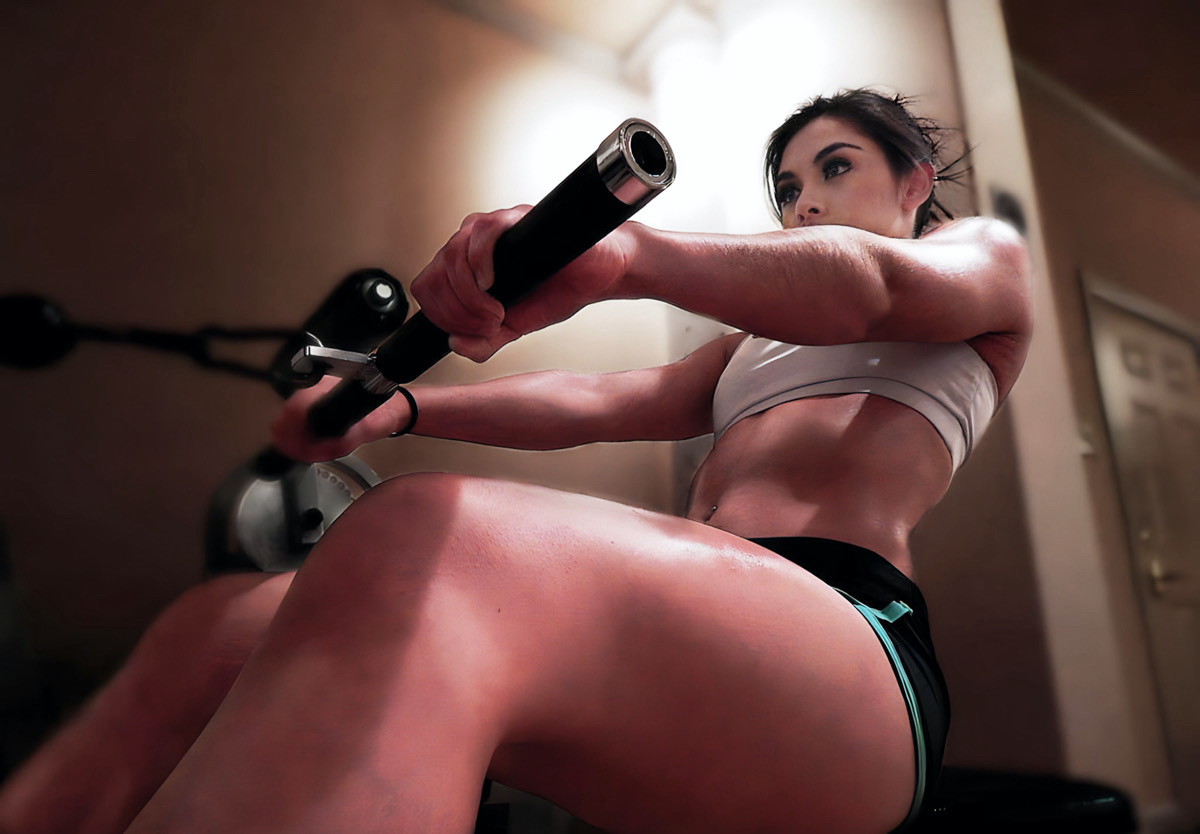
Seated cable row exercise

Seated Cable Row

Done seated, this rowing movement is ideal for training the back safely and under control; it's a great alternative for those not yet ready for free-weight moves like the deadlift or barbell row. Instead of generating momentum by rocking your torso back and forth excessively, control the movement with your back muscles. Squeezing your shoulder blades together at the end of the pull increases upper-back activation.

Hyperextension bench

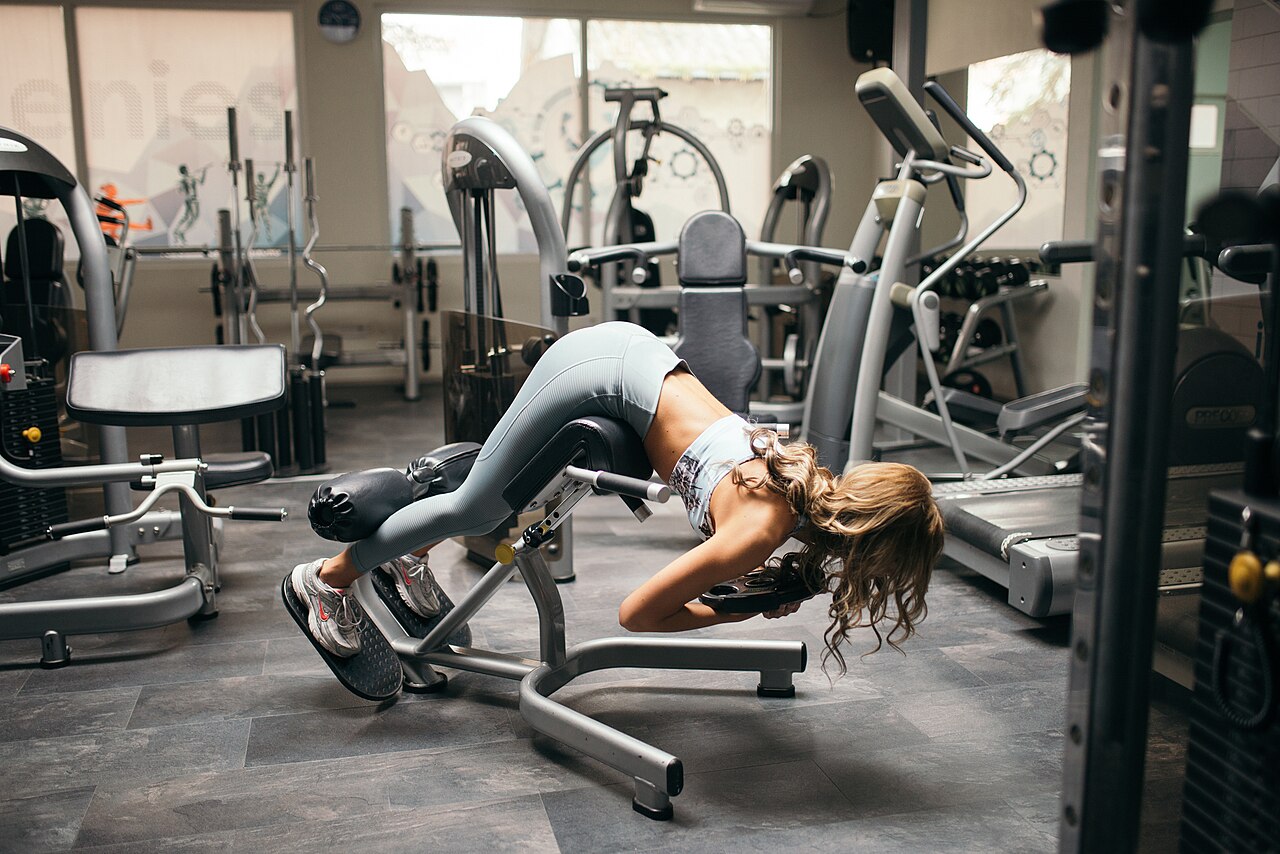
Hyperextension

Targeting the hips and lower back on a dedicated bench, this movement strengthens the lower-back (erector spinae) muscles in particular, building a solid foundation for movements like the deadlift. At the top of the movement, raising your torso only to a straight line is enough β€” you don't need to arch your back excessively backward; over-extending places unnecessary strain on the lower back.

Watch for: Don't let your lower back round, especially during deadlifts and rows; initiate the movement from your hips and shoulder blades, not your spine.

An athlete performing an overhead press with a barbell
03 Β· Upper Body

Shoulders

Muscles worked: Deltoid (front/side/rear), trapezius, rotator cuff muscles

The shoulder (deltoid) muscle has three separate heads β€” front, side, and rear β€” and surrounds one of the joints with the widest range of motion in the body. That wide range of motion is also what makes the shoulder one of the joints most prone to injury; that's why shoulder training should prioritize technique and control over weight. Training all three deltoid heads in a balanced way is necessary both for a symmetrical look and for the healthy function of the shoulder joint. The small but critical muscle group called the rotator cuff is also responsible for shoulder stability and should be strengthened with regular warm-up work.

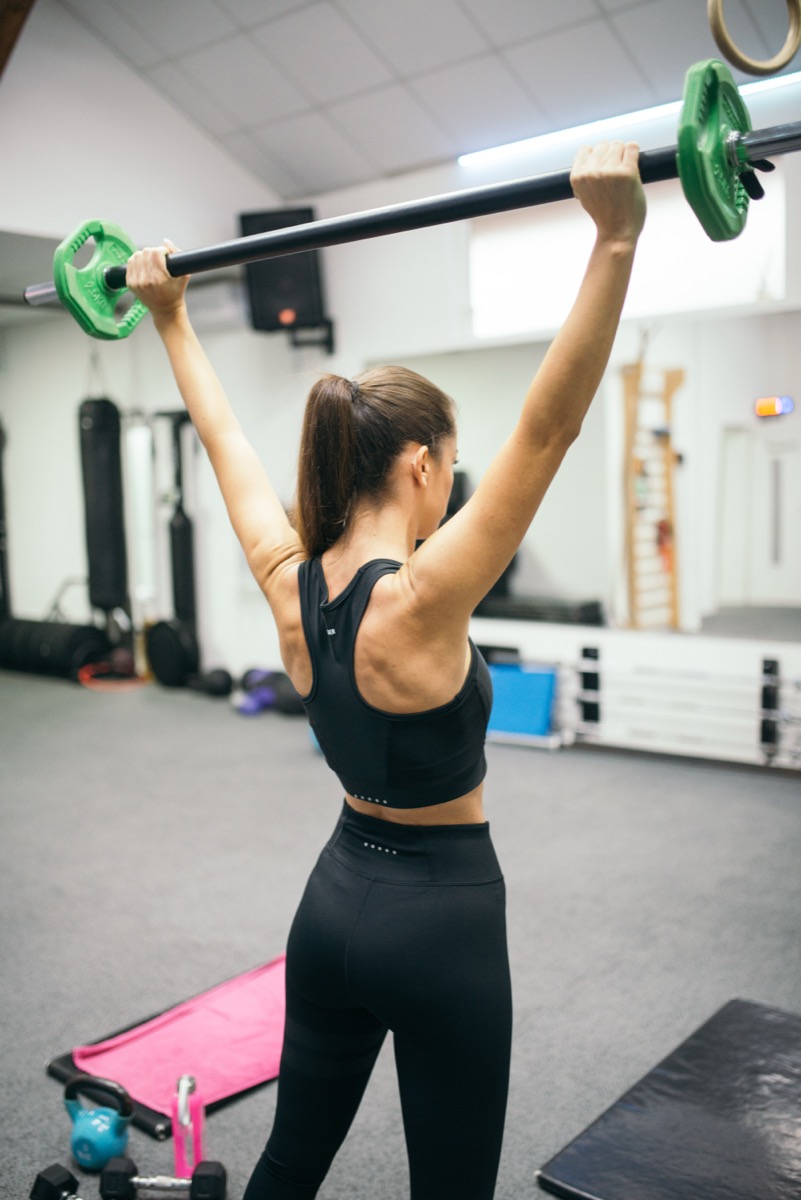
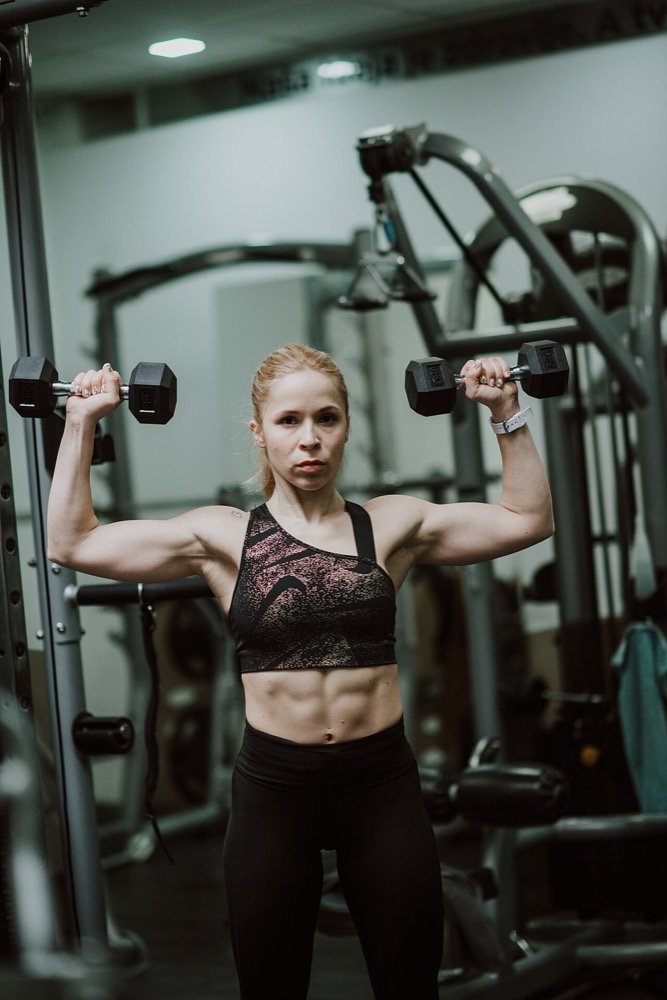
Overhead press exercise

Overhead Press

Pressing a weight from shoulder height straight overhead with a barbell or dumbbells, this fundamental movement engages every deltoid head along with the triceps. Arching your lower back excessively as you press places unnecessary load on it; keeping your abs braced reduces that risk. Moving the bar along as vertical a path as possible, rather than out in front of your face, optimizes the load on the shoulder joint.

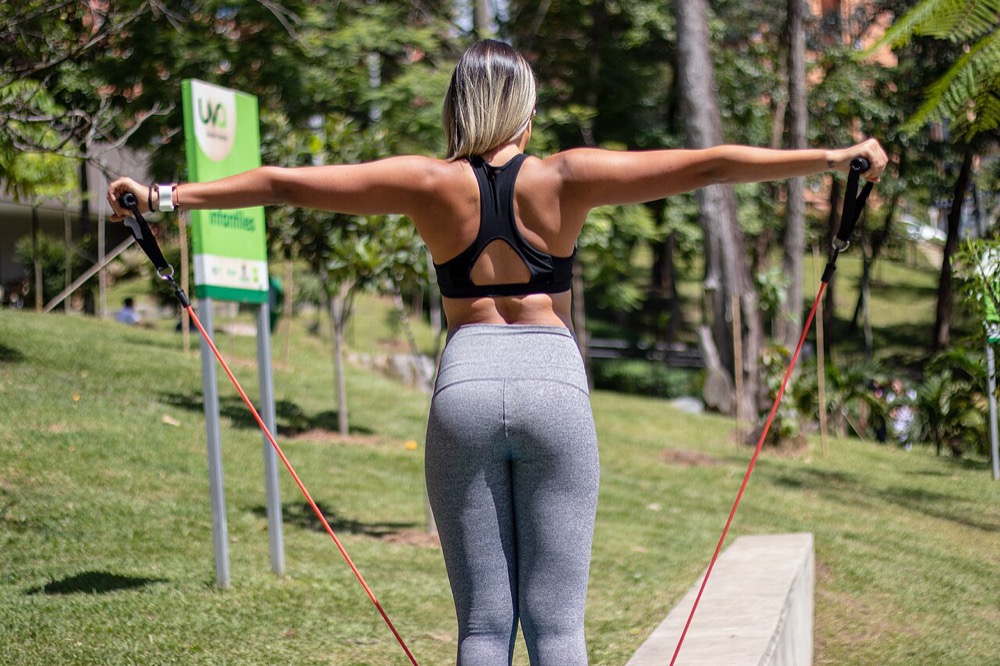
Lateral raise exercise with a resistance band

Lateral Raise

This isolation movement, raising dumbbells β€” or, as shown here, a resistance band β€” out to the sides up to shoulder height, targets the side deltoid and builds shoulder width. Keeping a slight bend in the elbows instead of locking them straight reduces stress on the shoulder joint as you raise the weight. Swinging your torso to generate momentum takes the movement away from the target muscle, so a lighter weight with a controlled tempo is preferable.

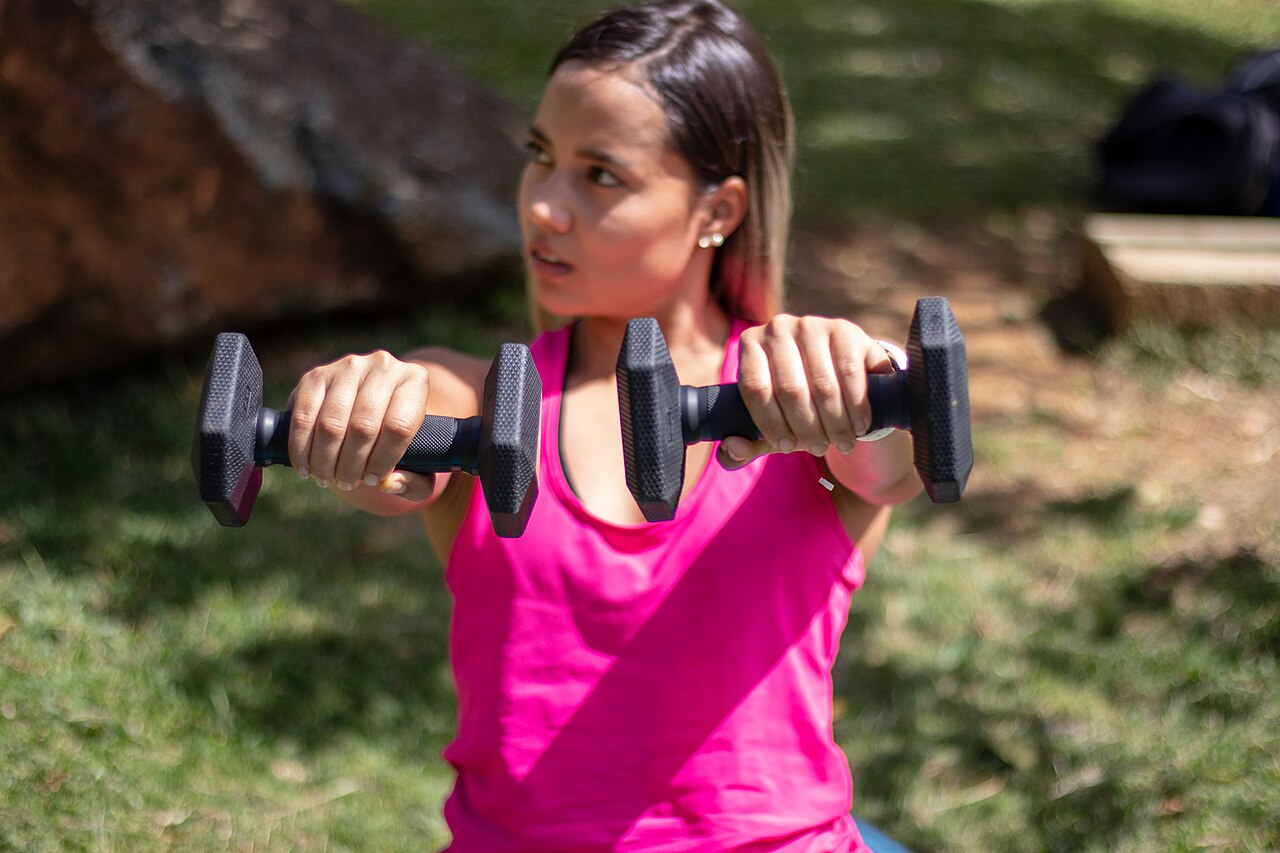
Front raise exercise

Front Raise

Raising a weight from in front of your body up to shoulder height isolates the front deltoid. Because the front deltoid is already worked frequently in everyday life, giving this movement less volume than other shoulder exercises keeps things balanced. Raising the weight above shoulder height brings the trapezius into play and reduces the effect on the target muscle.

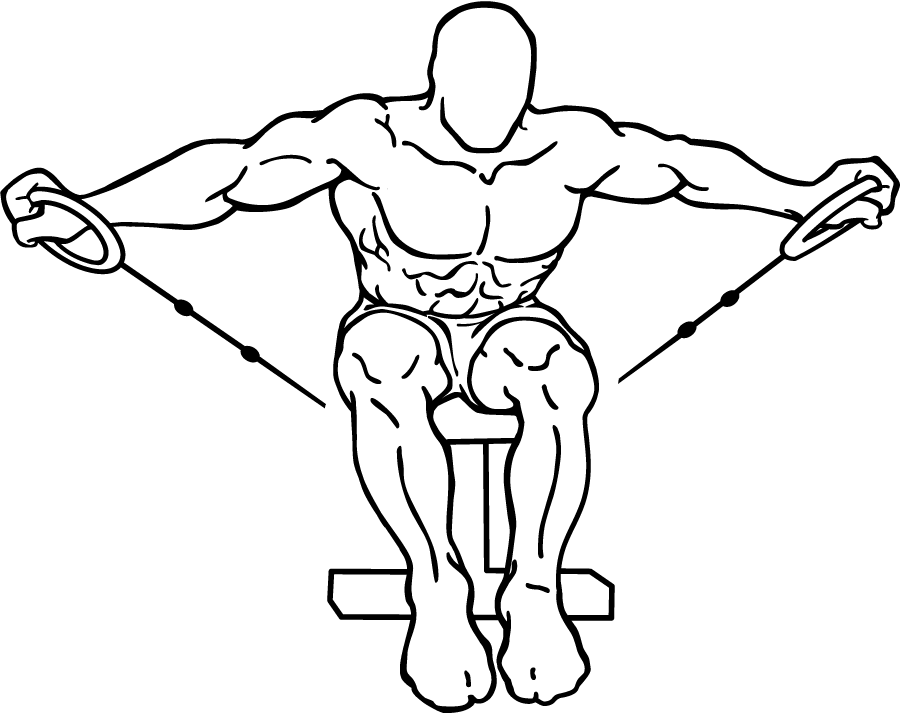
Rear delt fly exercise

Rear Delt Fly

Done with your torso bent forward or seated, this movement targets the rear deltoid, a head that's often neglected. Since the forward-leaning posture of modern life (computers, phones) tends to strengthen the front shoulder while weakening the rear, this exercise is especially valuable for maintaining postural balance. Initiating the movement by squeezing your shoulder blades together, rather than just swinging your arms, increases rear-deltoid activation.

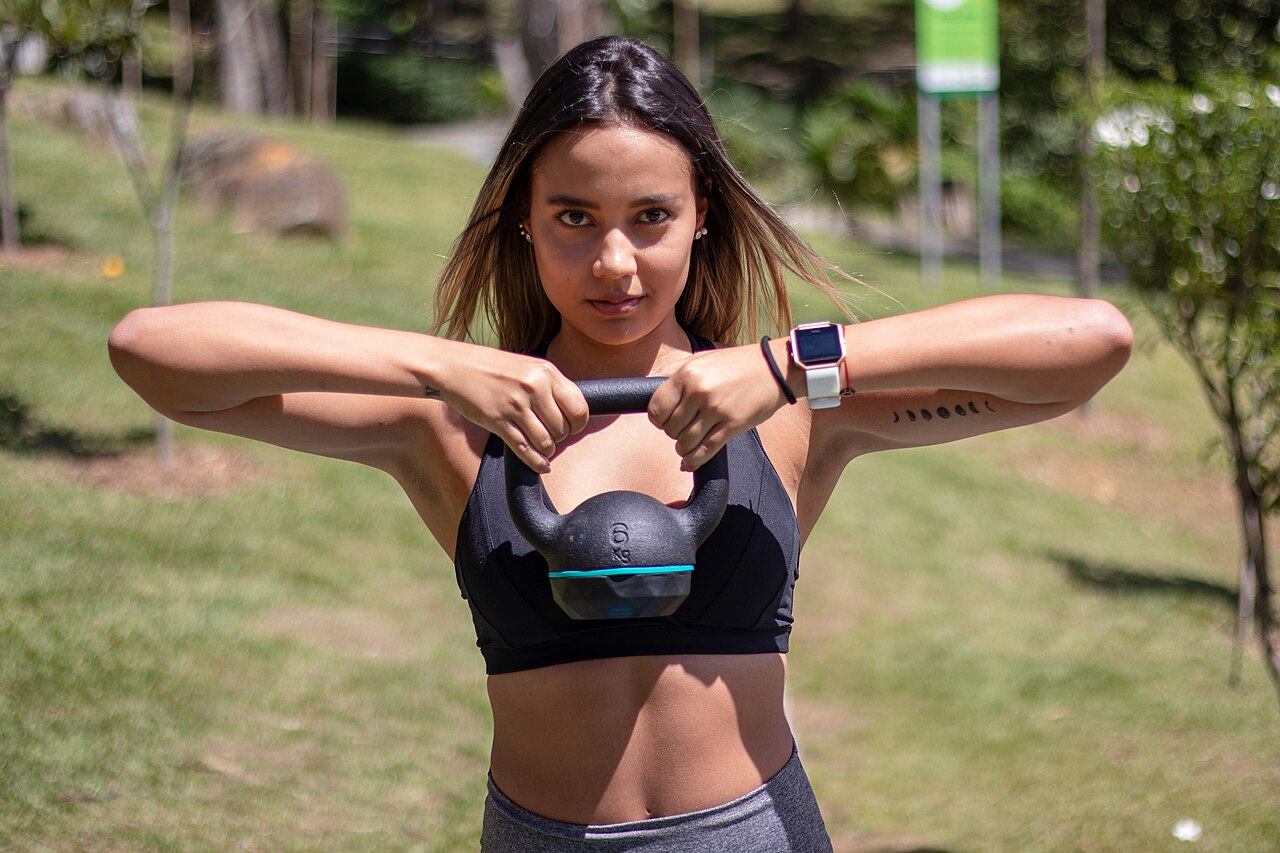
Upright row exercise with a kettlebell

Upright Row

Pulling a bar, dumbbells, or β€” as shown here β€” a kettlebell straight up to chin height works the side deltoid and trapezius together. Holding too wide a grip can create impingement risk in the shoulder joint, so a grip close to shoulder-width is preferable. Raising your elbows higher than your wrists increases the effectiveness of the movement.

Watch for: The shoulder is one of the most mobile yet most fragile joints in the body. Warm up the rotator-cuff area and activate it with light bands before increasing weight.

A dumbbell biceps curl exercise
04 Β· Upper Body

Arms

Muscles worked: Biceps brachii, triceps brachii, forearm muscles

The arms are made up of the biceps brachii on the front and, on the back, the triceps brachii, which accounts for roughly two-thirds of total arm volume. Although arms are one of the most aesthetically sought-after regions, their everyday function shouldn't be overlooked: they play a supporting role in nearly every carrying, pulling, and pushing movement. Since the triceps is actually responsible for most of your visible arm size, doing only biceps curls and neglecting the triceps leads to imbalanced development. Keep in mind that big compound movements already work your arms indirectly, so don't overload direct arm training with excessive volume on top of that.

Biceps curl exercise

Biceps Curl

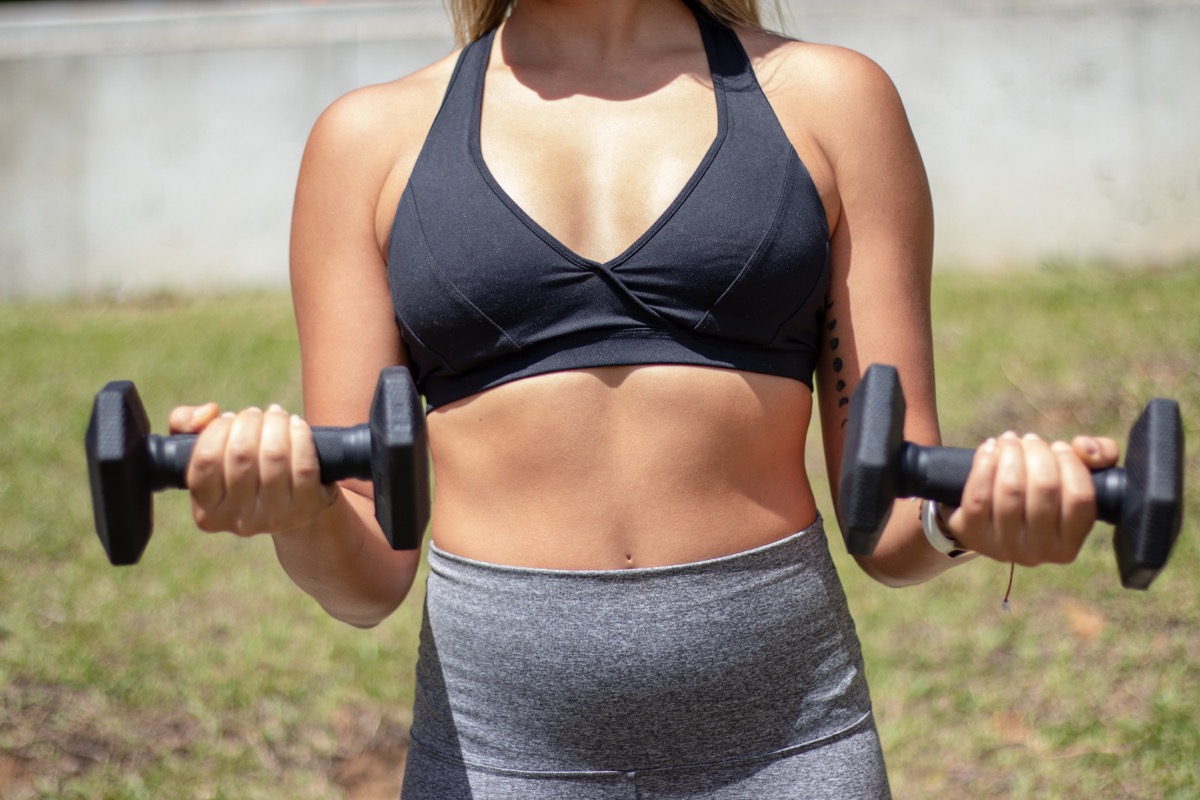
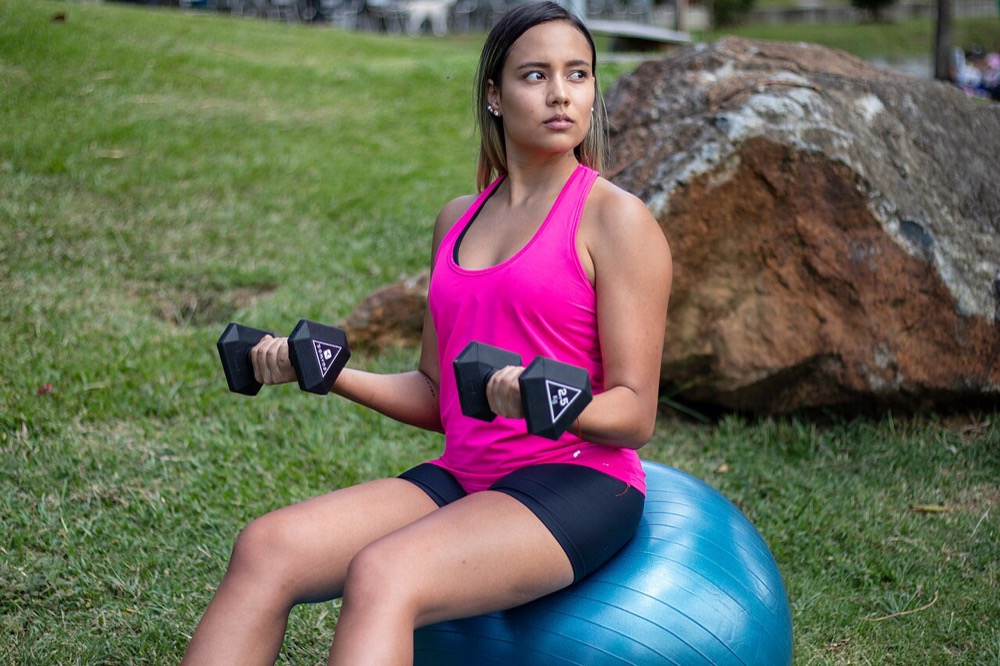
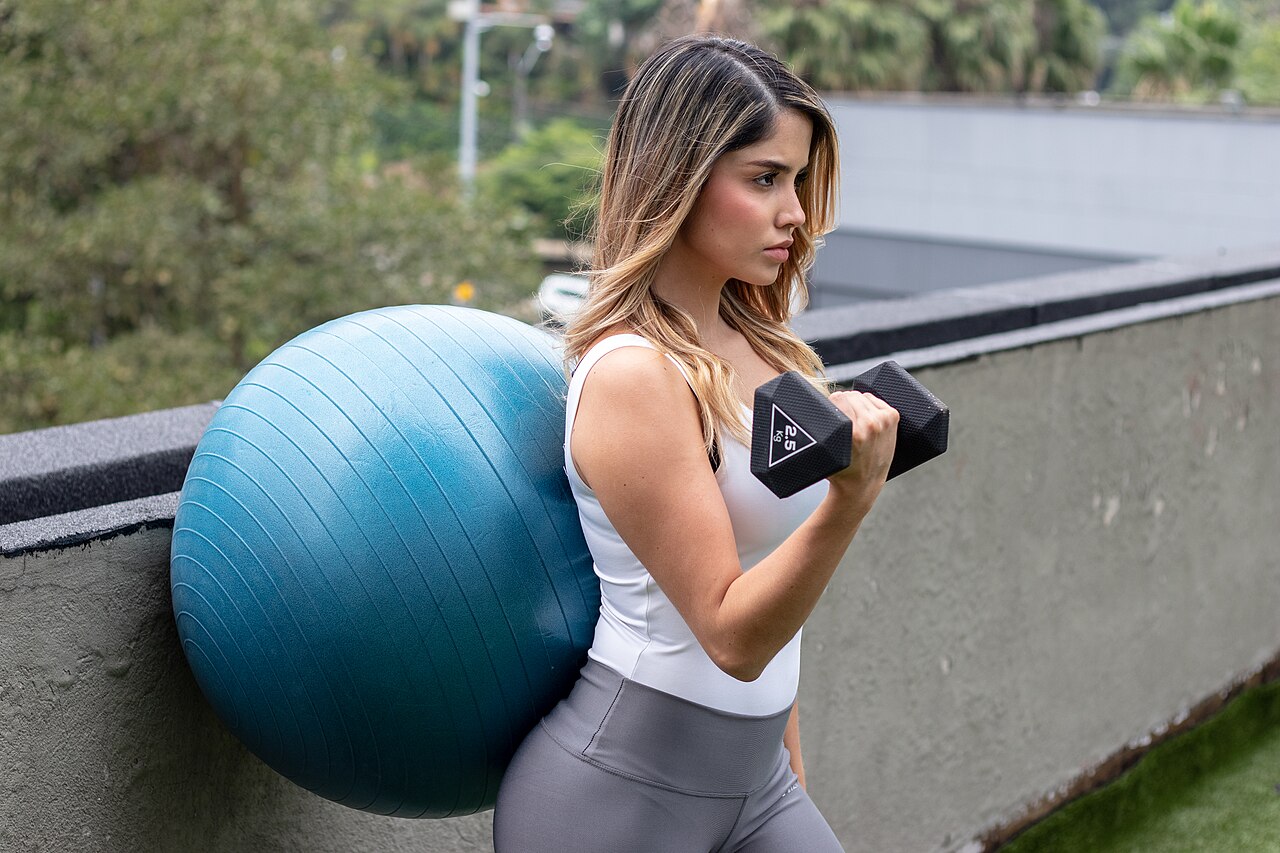
This classic movement, curling a dumbbell toward your shoulder with your elbow held fixed, directly targets the biceps. Swinging your elbow back and forth to generate momentum shifts the load onto your shoulders and back, reducing the effect on the biceps. Lowering the weight under control as well adds extra benefit for muscle growth.

One-arm dumbbell curl exercise

One-Arm Dumbbell Curl

This curl variation, in which each arm is trained separately and individually, makes it easier to notice and correct strength imbalances between the two sides. Keeping the resting arm fixed against your torso ensures the movement comes only from the working arm. Training both sides for an equal number of reps matters for symmetrical development.

Cable triceps pushdown exercise

Triceps Pushdown

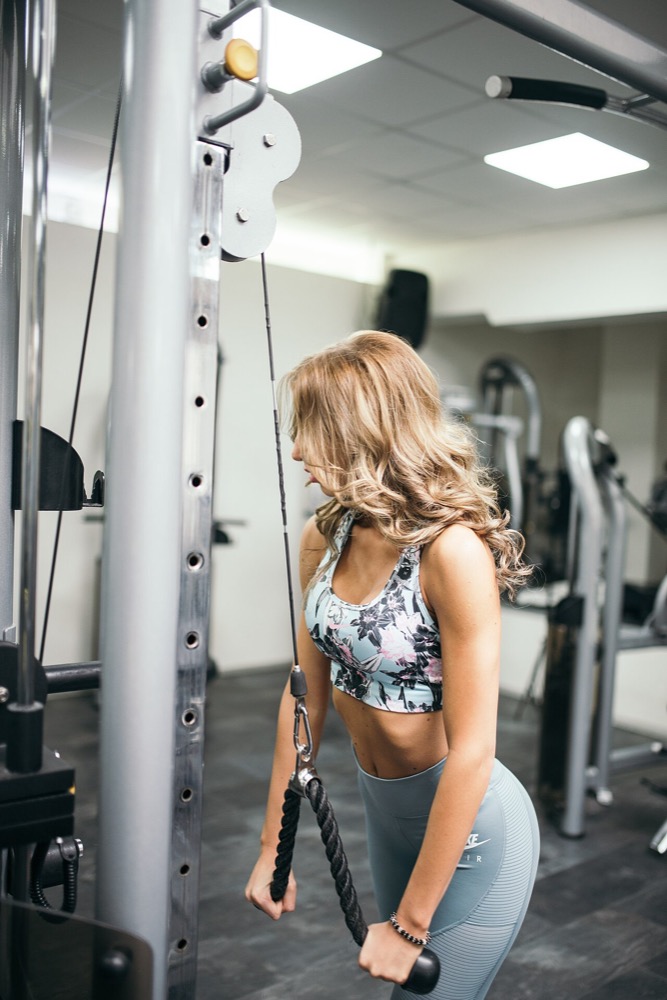
Holding a bar or rope on a cable machine and pushing your forearm downward with your elbow fixed works every head of the triceps. Keeping your elbows close to and fixed against your torso prevents the load from shifting onto the shoulders. Standing upright rather than leaning forward for extra support isolates the movement to the triceps.

Double dumbbell triceps extension exercise

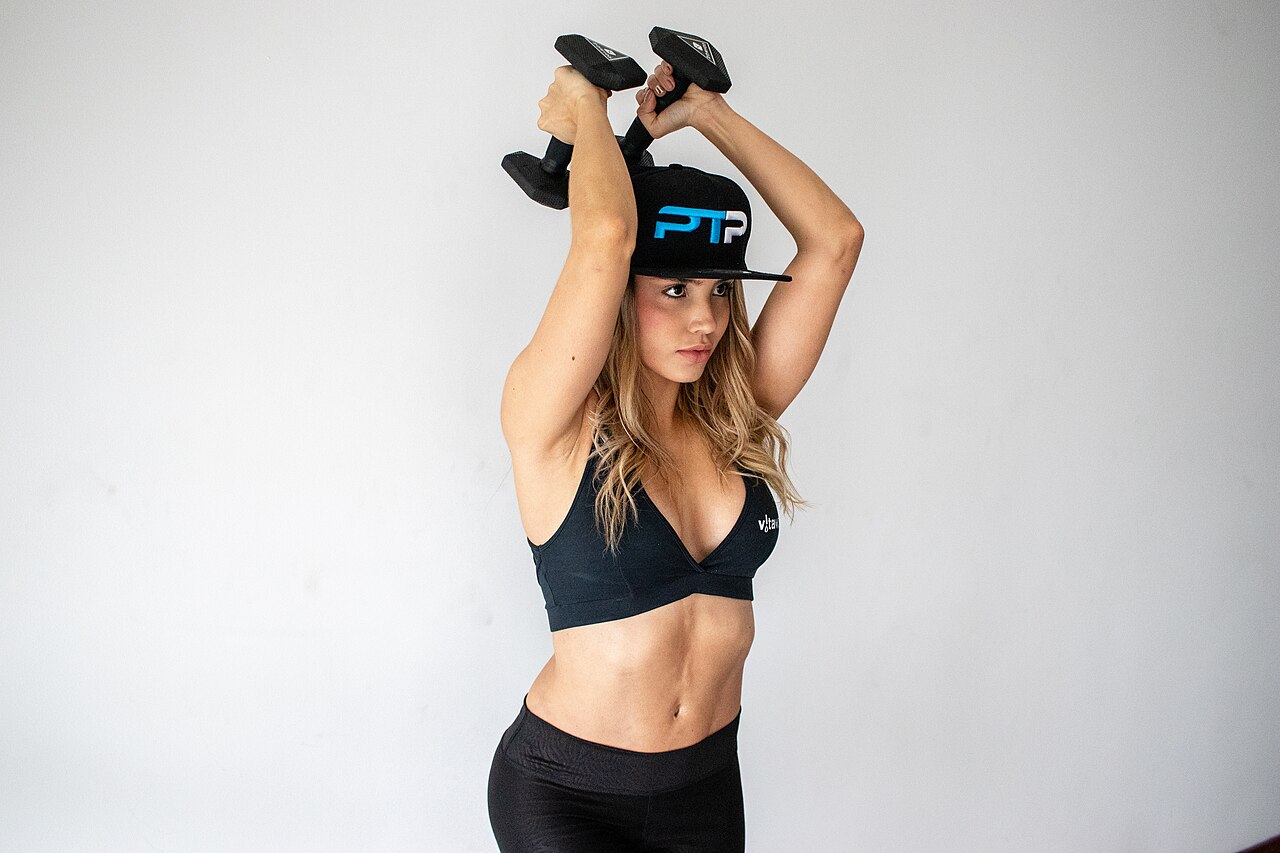
Double Dumbbell Triceps Extension

Moving two dumbbells together up and down from overhead works the long head of the triceps intensely in a stretched position. Keeping your elbows fixed and close to your head ensures the load lands on the triceps rather than the shoulders. Staying in control as you lower the weight β€” moving slowly β€” is important so you don't lose control of it.

Bench dips exercise

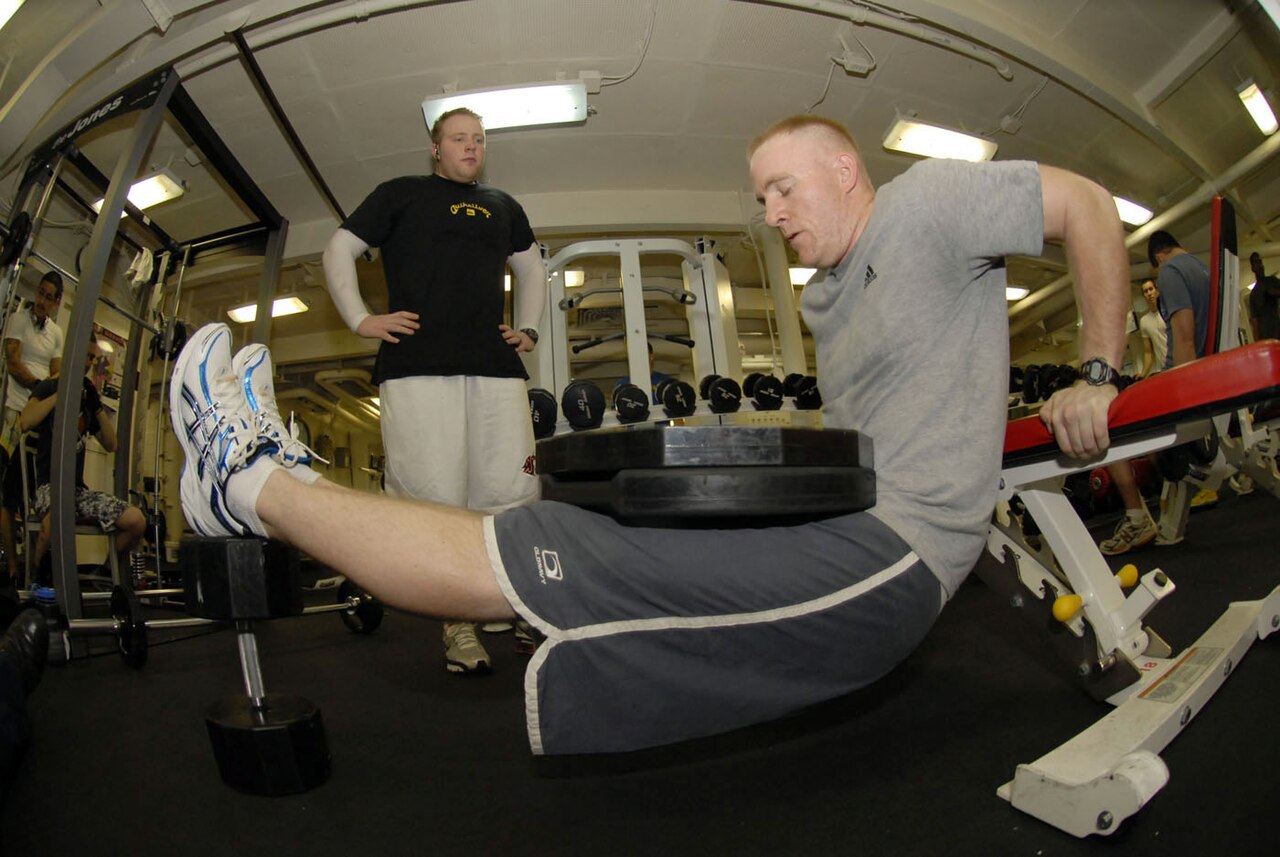
Bench Dips

Done leaning back on a bench with your hands behind you, this movement works the triceps effectively without any equipment. Moving your hips too far from the bench increases the load on the shoulder joint, so keeping your feet close to your body gives you a safer form. Bending your elbows to roughly 90 degrees is enough β€” you don't need to lower yourself excessively deep.

Watch for: Do the movement with muscle, not momentum; swinging your torso to fling the weight up both reduces the effect and can hurt your lower back or shoulder.

A person doing a core exercise in a plank position
05 Β· Midsection

Core

Muscles worked: Rectus abdominis, obliques, transversus abdominis, lower back (supporting)

The core is a broad network of muscle that covers not just the rectus abdominis (the "six-pack" muscle) but also the obliques, the transversus abdominis, and the lower back. This region acts as a stabilizing belt for the spine in almost every movement your body makes β€” squatting, lifting something, even walking. A strong core matters not just for looks, but for lower-back health and overall athletic performance. Since visible abs are largely tied to diet and body-fat percentage, you can't "melt away belly fat" just by doing crunches β€” spot reduction is a myth with no scientific support.

Plank exercise

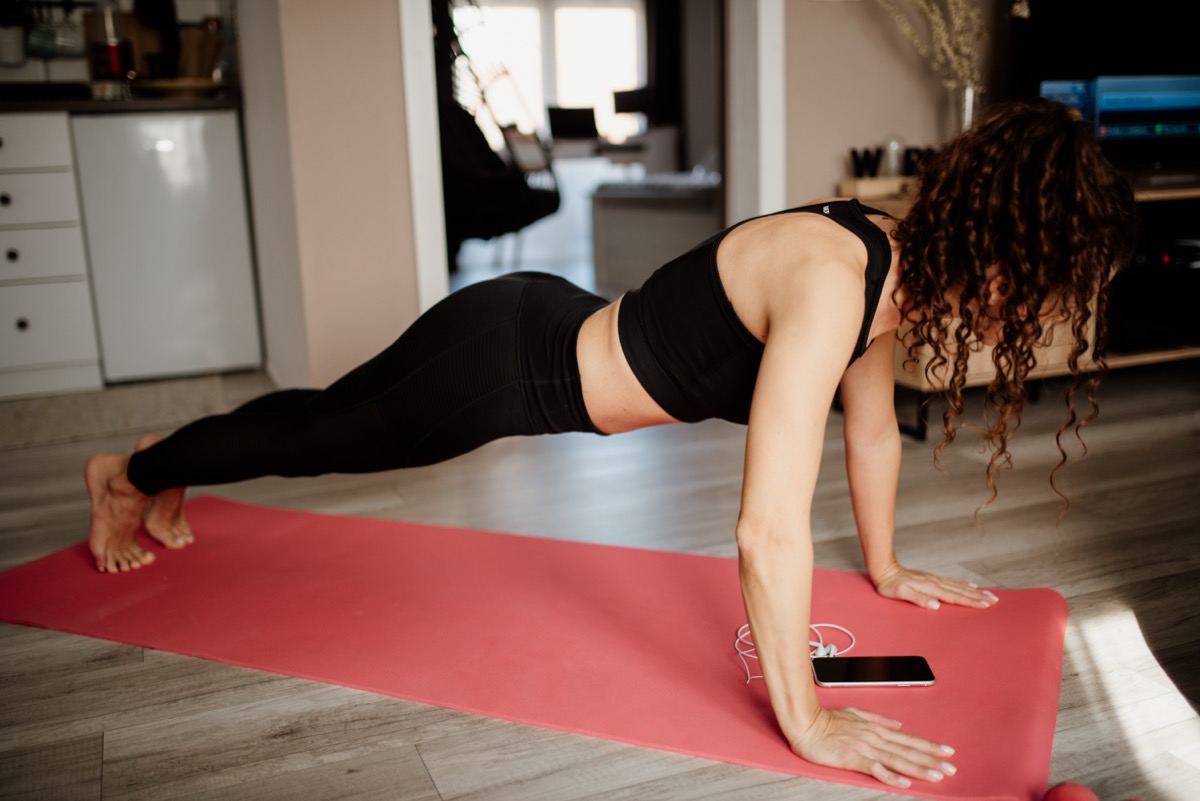
Plank

A static core exercise held on your forearms and toes, keeping your body in a straight line. Actively bracing your abs β€” without letting your hips rise up or sag down β€” is what determines how effective the hold is. Focusing on maintaining correct form matters far more than focusing on holding it longer with bad form.

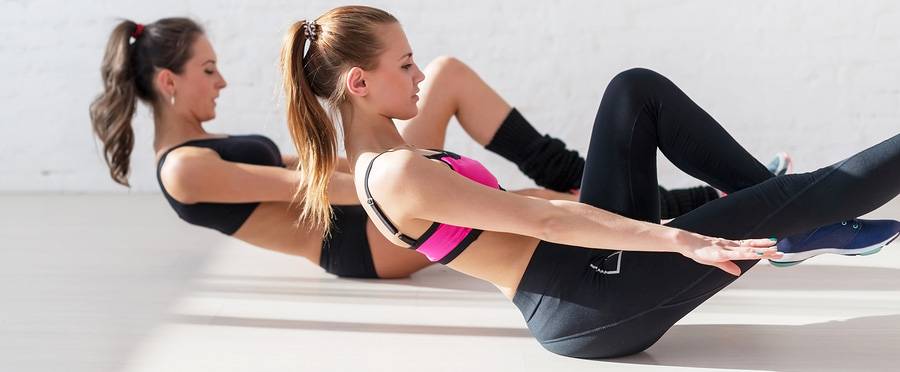
Crunch exercise

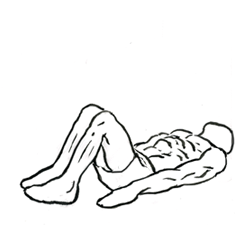
Crunch

Lying on your back with knees bent, curling your upper body up from your abs rather than your hips. Locking your hands behind your head and pulling on your neck to lift creates unnecessary strain there; your hands should only offer light support. Pausing briefly at the top of the movement increases muscle activation.

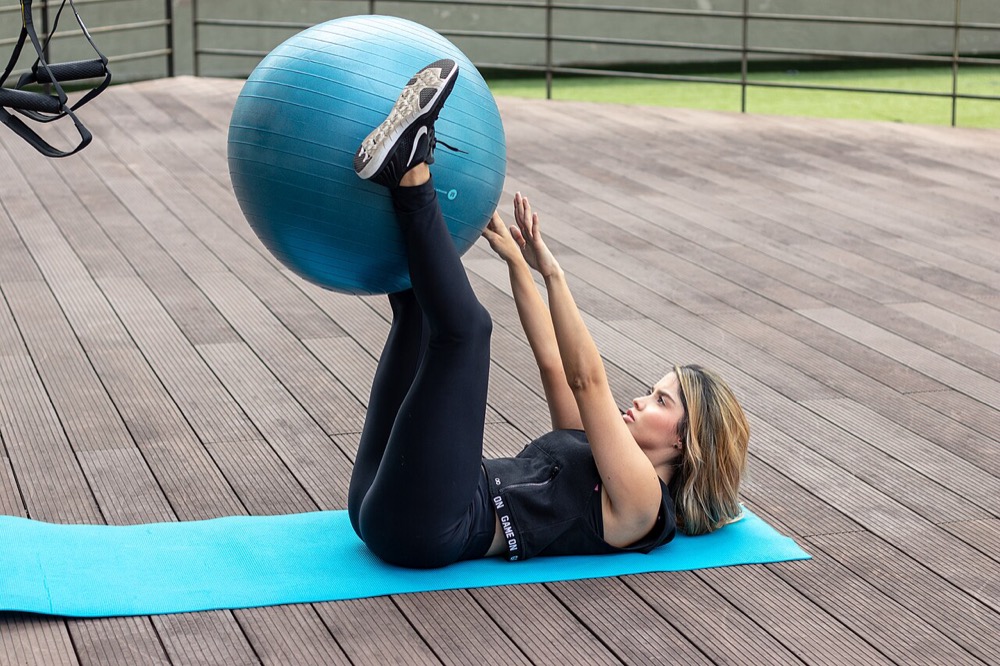
Leg raise exercise

Leg Raise

Lying on your back and raising and lowering your legs, either straight or slightly bent, this movement especially targets the lower abs. As you lower your legs, keeping your core braced prevents your lower back from lifting off the floor and arching. Lowering slowly and under control, rather than fast and swinging, significantly boosts the effect.

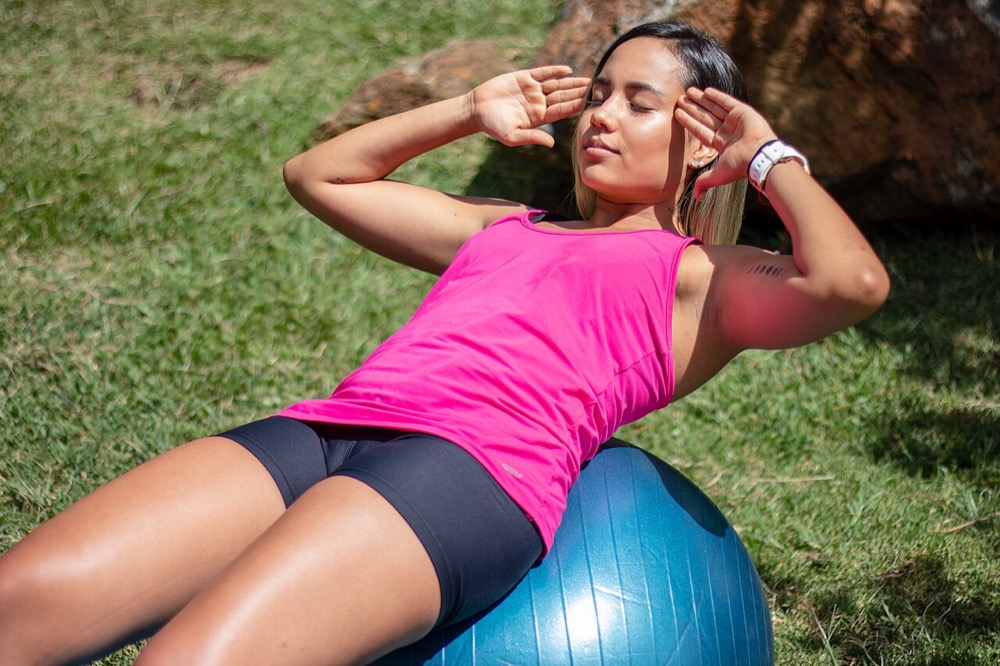
Crunch exercise on a stability ball

Stability Ball Crunch

This crunch variation, done with your back resting on a stability ball, increases the range of motion, working the abs through a wider arc than a regular crunch. Maintaining your balance on the ball engages the core muscles even more. Your hands should only provide light support β€” don't pull on your neck.

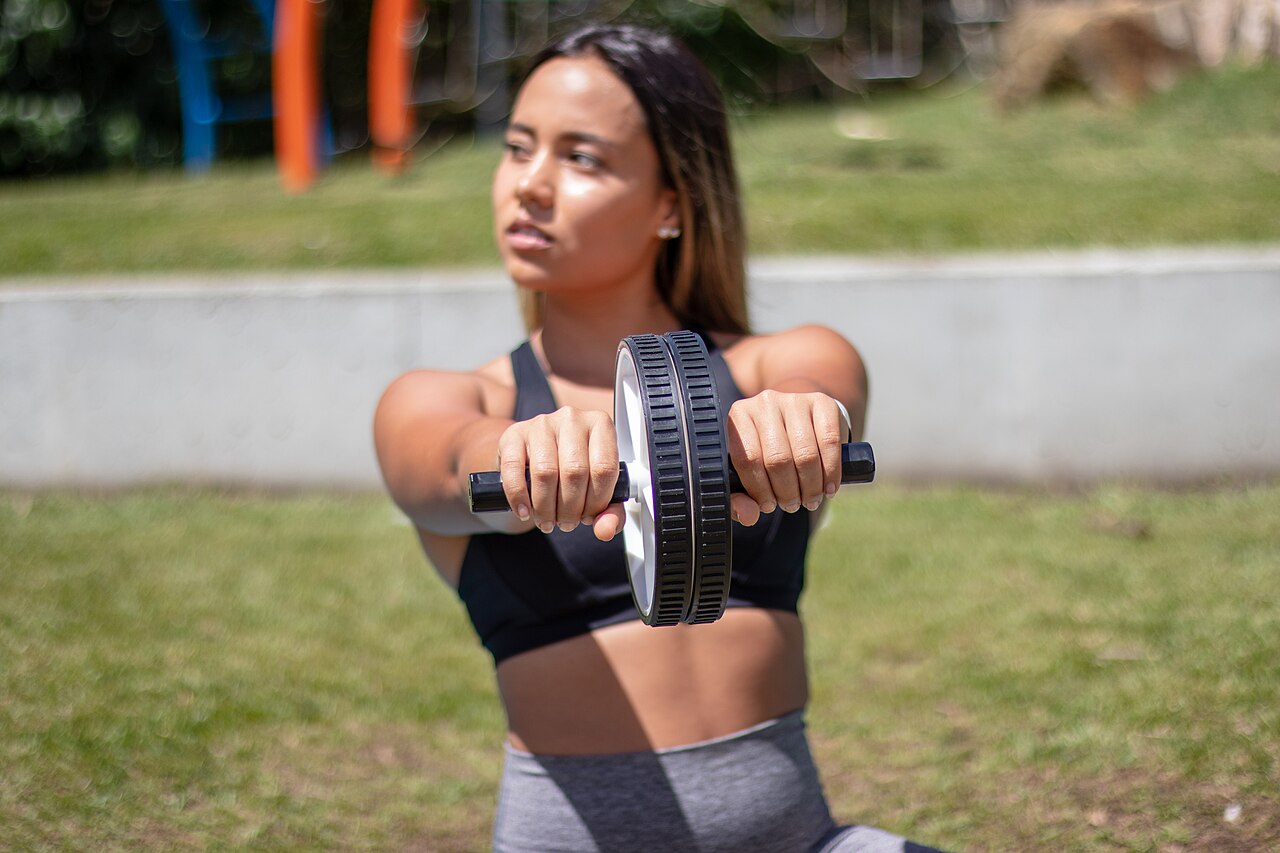
Ab wheel rollout exercise

Ab Wheel Rollout

Rolling a wheel forward from your knees and back to the starting position, this advanced exercise works the entire core intensely. It's important to limit your range of motion to a distance your abs can control, without letting your lower back sag. Beginners should start the movement from their knees and over a short distance, easing in safely before extending all the way out.

Watch for: Visible abs are made in the kitchen β€” crunches alone won't burn fat. During the exercise, don't hold your breath, and work your abs, not your neck.

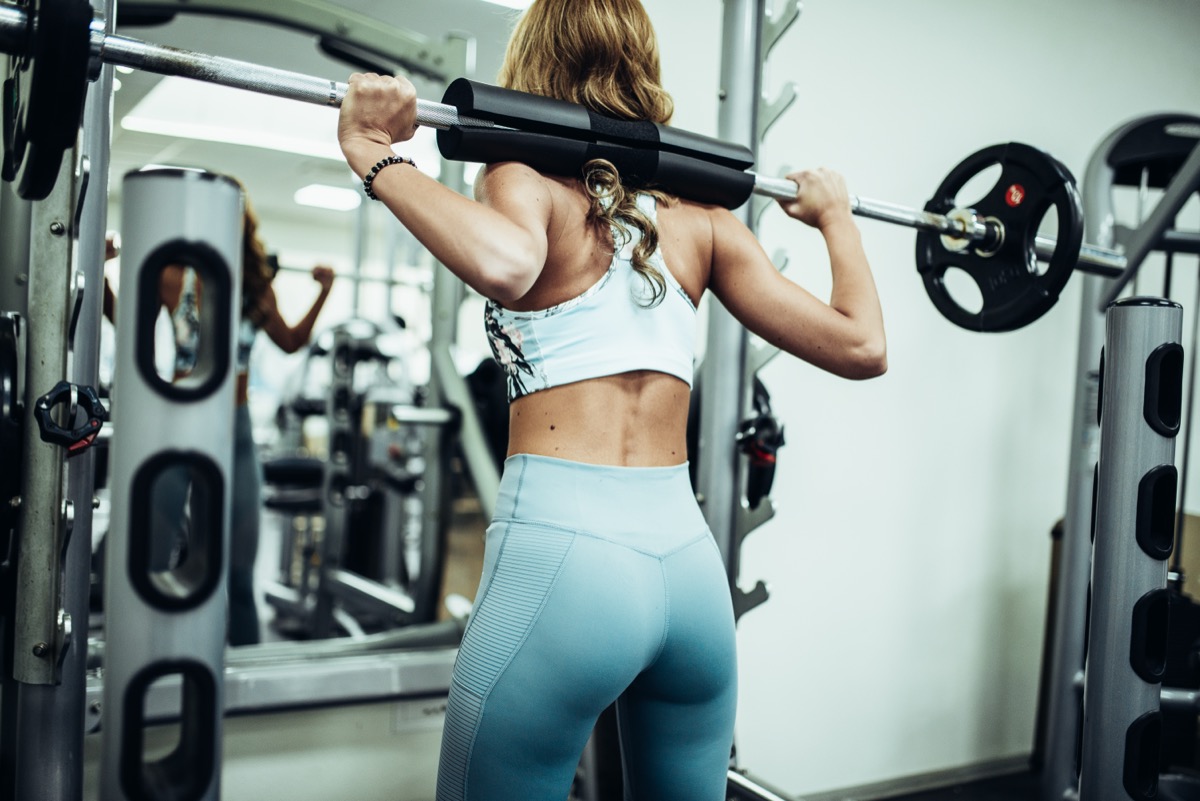
An athlete performing a barbell squat, seen from behind
06 Β· Lower Body

Legs

Muscles worked: Quadriceps, hamstrings, calves (gastrocnemius/soleus)

The legs house the largest muscle groups in the body: the quadriceps (front thigh), the hamstrings (back thigh), and the calves. Training the biggest muscles in your body contributes to overall body development not just through leg growth itself, but also through the broader hormonal response and total calorie burn it triggers. Skipping leg day is a running joke in the fitness world, but it can lead to imbalanced development and functional weakness, especially around the knees and hips. Leg training directly affects your performance in everyday fundamentals like climbing stairs, squatting down, and walking.

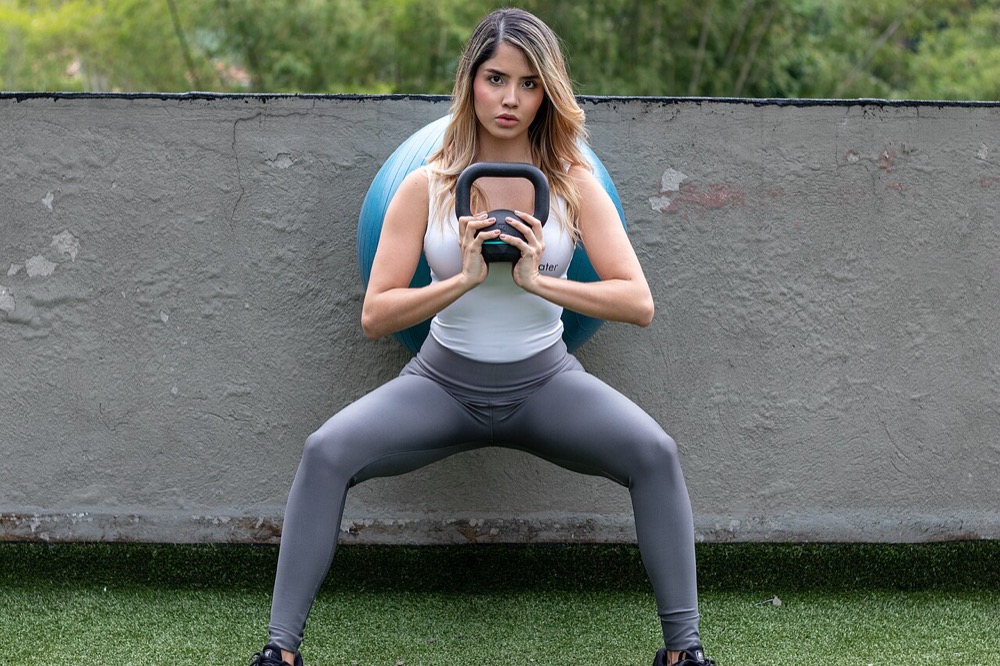
Squat exercise with a kettlebell

Squat

Done with a barbell on your back, a kettlebell in hand, or just bodyweight, squatting down by bending your hips and knees and standing back up is considered the king of leg exercises. As you squat, your knees tracking over your toes (not caving inward) and your heels staying planted are the fundamentals of correct form. Keeping your back neutral and your chest upright prevents excessive loading on your lower back.

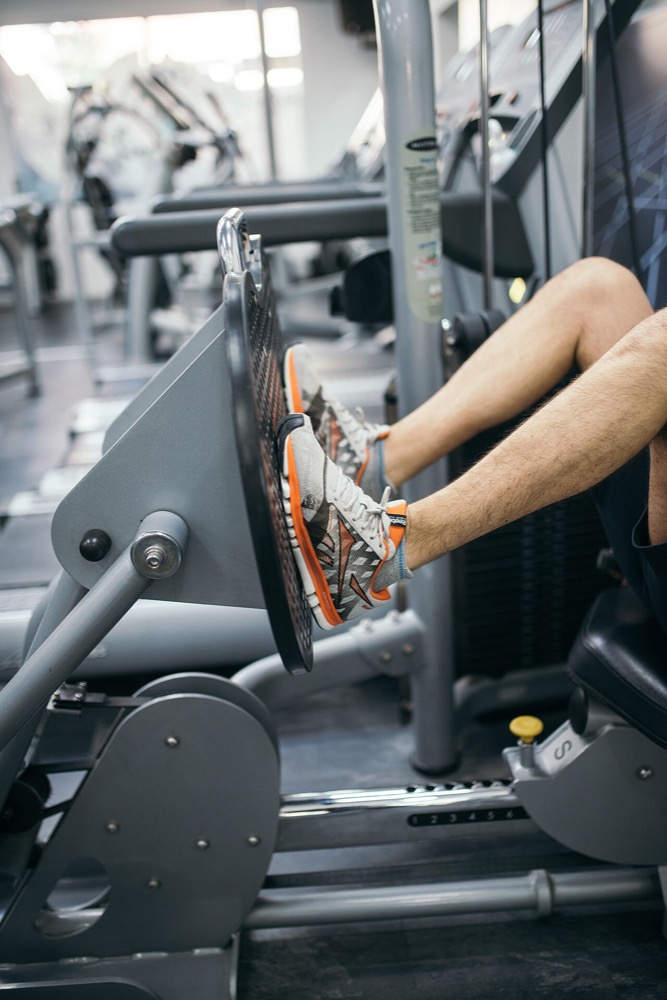
Leg press exercise

Leg Press

This machine exercise, pressing a weighted platform with your legs, reduces the load on your lower back compared to the squat, letting you train your legs safely. Fully locking your knees straight creates a sudden jolt on the joint, so leaving a slight bend in your knees at the end of the movement is safer. Where you place your feet on the platform determines which muscle group gets emphasized.

Hip-hinge deadlift exercise

Romanian Deadlift

Keeping your knees slightly bent and fixed while hinging forward from your hips to lower the bar close to the floor and back up, this movement works the hamstrings and glutes intensely under stretch. Keeping the bar close to your legs both shortens the lever arm on your lower back and increases the effect on your hamstrings. Not letting your back round is critical in this movement too.

Leg extension exercise

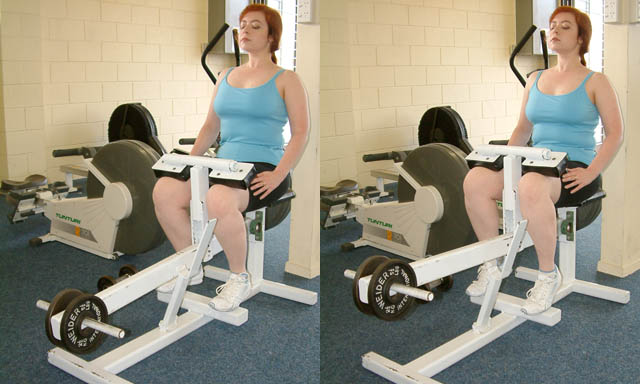
Leg Extension

This isolation movement, straightening your leg at the knee while seated, directly targets the quadriceps. Adding a brief squeeze at the top of the movement (leg fully straight) increases muscle activation. Lowering and raising the weight too fast can create an unnecessary jolt on the knee joint, so a controlled tempo is preferable.

Calf raise exercise

Calf Raise

Rising up onto your toes and raising your heels as high as possible targets the calf muscles. Adding a stretch at the bottom of the movement β€” letting your heels dip slightly below the platform, using a step or block β€” increases the muscle's working range. Since the calves are already stimulated frequently by everyday walking, seeing growth generally requires high rep counts and careful technique.

Watch for: During squats and similar movements, don't let your knees travel past your toes and cave inward; this significantly increases the load on the knee joint.

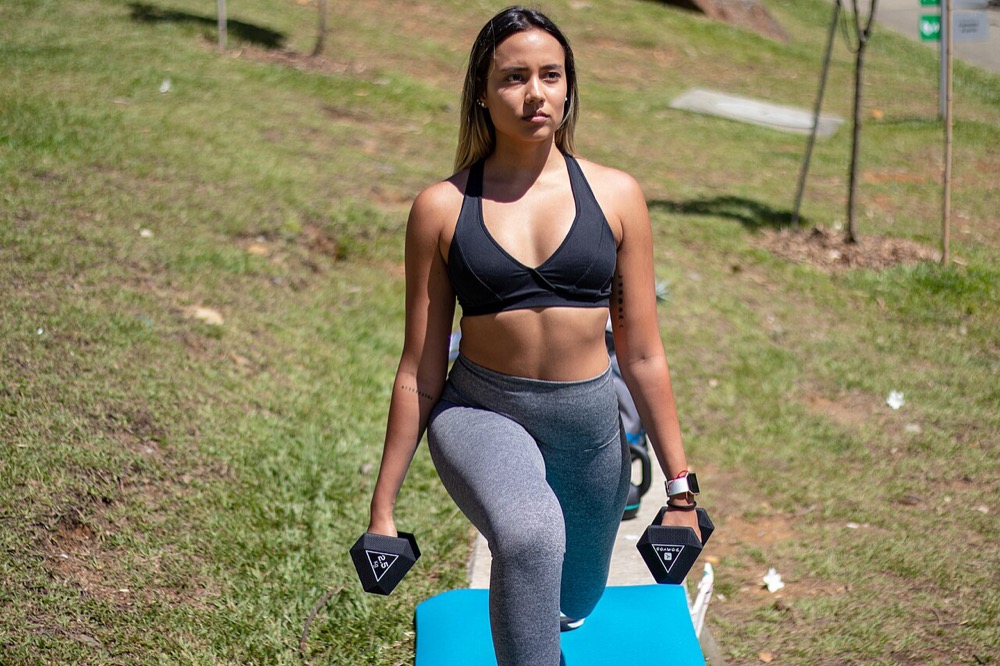
An athlete performing a weighted lunge
07 Β· Lower Body

Glutes

Muscles worked: Gluteus maximus, medius, minimus

The glute muscles β€” gluteus maximus, medius, and minimus β€” form the strongest muscle group in the body and are responsible for extending, rotating, and stabilizing the hip joint. A strong glute isn't just an aesthetic goal; it's a fundamental requirement for back health, knee stability, and performance in explosive movements like sprinting and jumping. Long days spent sitting can cause the glutes to "fall asleep" (sometimes called gluteal amnesia), which in turn can overload other muscle groups β€” especially the lower back and hamstrings. Including both hip-extension movements and single-leg (unilateral) movements in glute training produces balanced development.

Dumbbell lunge exercise

Lunge

Stepping one leg forward or backward and bending both knees before returning to the starting position, this movement works the glutes, quadriceps, and hamstrings together. Too short a step can cause your front knee to travel too far forward; too long a step can throw off your balance β€” adjust step length to your height. Making sure your front knee doesn't travel past your toes protects the knee joint.

Hip thrust / glute bridge exercise

Hip Thrust / Glute Bridge

Done with your back resting against a bench (or on the floor) and driving your hips upward with a barbell or bodyweight, this movement is one of the most intense exercises for the gluteus maximus. Squeezing your glutes hard at the top of the movement noticeably increases muscle activation. Keeping your chin slightly tucked toward your chest, instead of throwing your neck back, keeps your spine aligned.

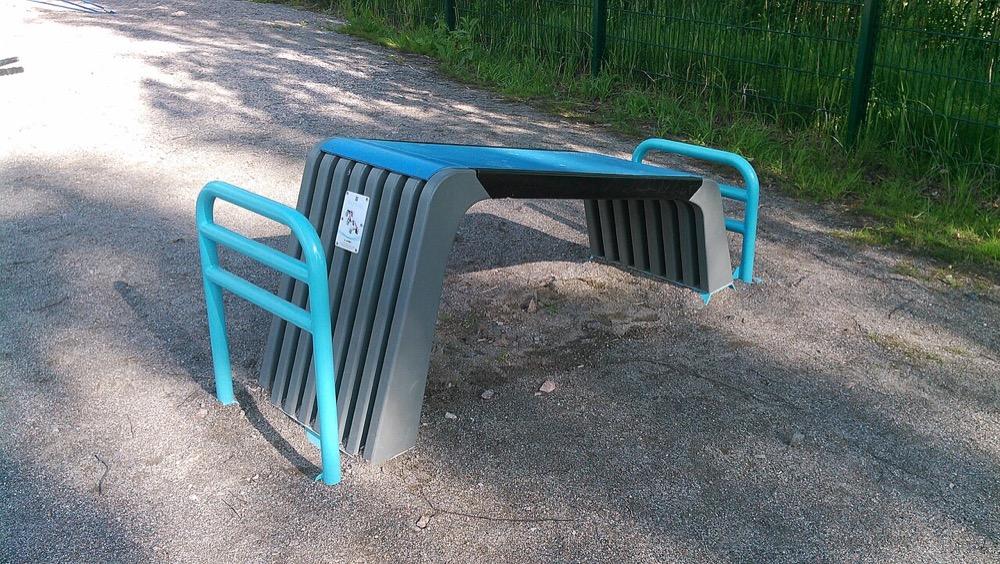
Box jump exercise

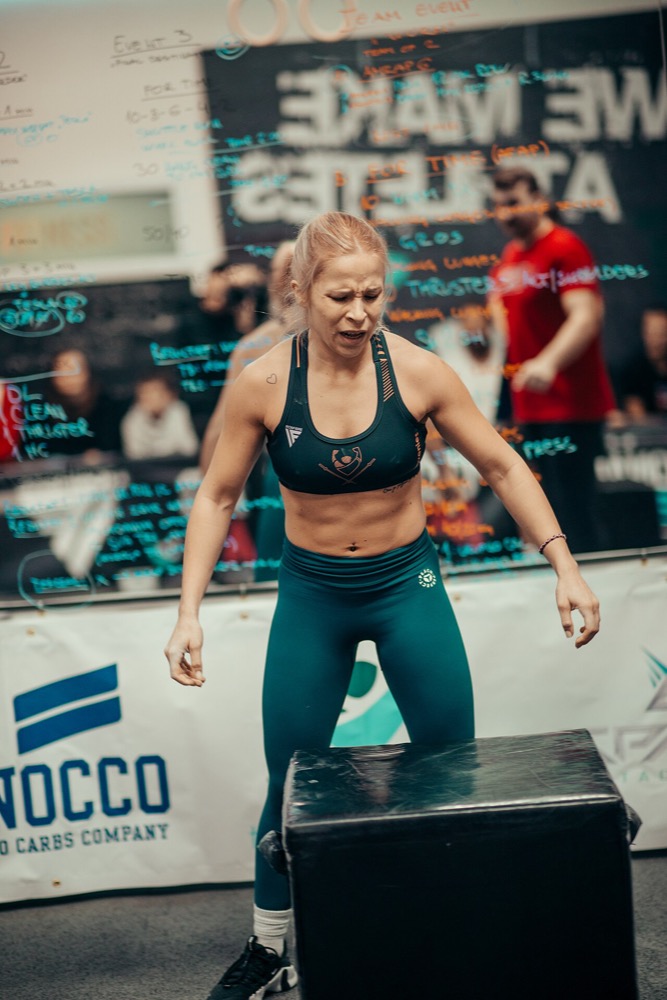
Box Jump

Explosively jumping onto a box with both feet and landing softly on top develops the glutes and legs in terms of explosive power. Bending your knees slightly on landing for a soft touchdown reduces the impact on your joints. Keeping the box at a height you can jump onto safely and under control lowers the risk of injury.

Cable kickback exercise

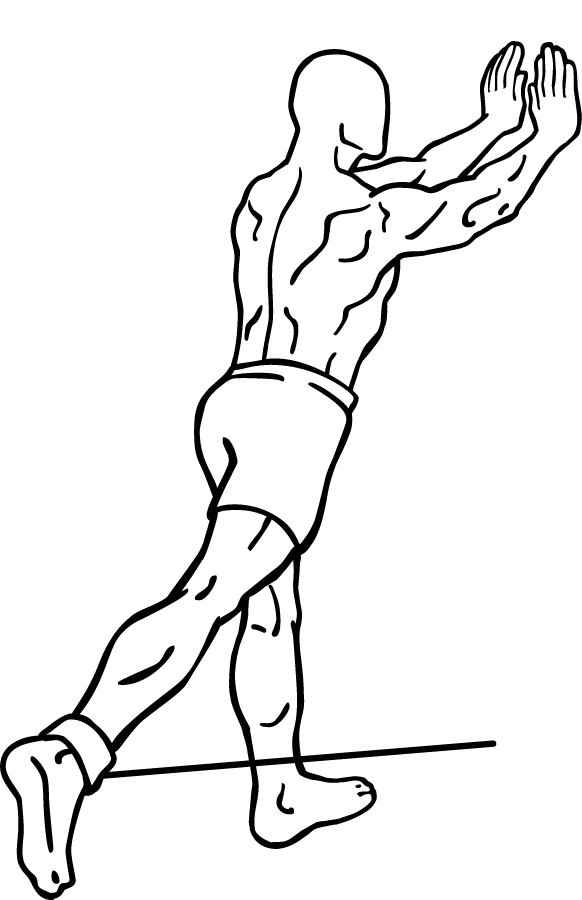
Cable Kickback

This isolation movement, driving your leg backward against a cable attached to your ankle, directly targets the gluteus maximus. Initiating the movement from your hip rather than your lower back keeps the load entirely on the glute by preventing the lower back from taking over. Keeping an upright posture, rather than leaning your torso too far forward as you kick back, increases isolation.

Single-leg squat exercise

Single-Leg Squat

This advanced squat variation, balancing on one leg, works the glutes and legs unilaterally while also challenging your balance and core stability. Beginners can hold lightly onto a chair or wall for balance support. Keeping your knee joint aligned with your toes prevents knee injuries.

Watch for: Focus on squeezing your glutes to feel the peak contraction at the end of the movement; otherwise the load shifts more to your lower back and legs, and the target muscle doesn't get worked enough.

Common Questions

Frequently Asked Questions

How many days a week should I train?

For beginners, 2-3 days a week of full-body training is a good start. As you gain experience, you can move to split programs (e.g. upper/lower body or push-pull-legs) and increase frequency to 4-6 days; what matters most is giving each muscle group enough recovery time too.

Is muscle soreness (DOMS) normal?

Mild-to-moderate muscle soreness felt 24-72 hours after training (DOMS) is normal and fades over time. However, a sharp, stabbing pain in a joint, or pain that starts suddenly during a workout, is not normal β€” stop the movement and rest in that case.

Which muscle group should I focus on to lose weight?

Fat loss isn't driven by focusing on one region β€” it's supported by overall calorie balance and exercises that work the whole body ("spot reduction" isn't scientifically supported). Compound movements that work large muscle groups (legs, back, chest) are more efficient for this.

Should I eat before or after training?

Both matter. A light carbohydrate-plus-protein meal 1-2 hours before training provides energy; a protein-heavy meal within 1-2 hours after training supports muscle repair.

Can I repeat the same exercise every day?

Generally not recommended. Repeating an exercise that targets the same muscle group on consecutive days blocks the muscle's repair time, both slowing growth and setting the stage for overuse injuries. A program that trains different muscle groups on different days (e.g. an upper-body/lower-body split) makes both recovery and consistency easier.

Should I prefer free weights or machines?

Both have their place. Free weights (barbells, dumbbells) engage more stabilizer muscles and build functional strength; machines keep the movement on a fixed path, offering a safer learning environment for beginners and making it easier to isolate specific muscles. Combining both in a balanced way within a program usually gives the best results.